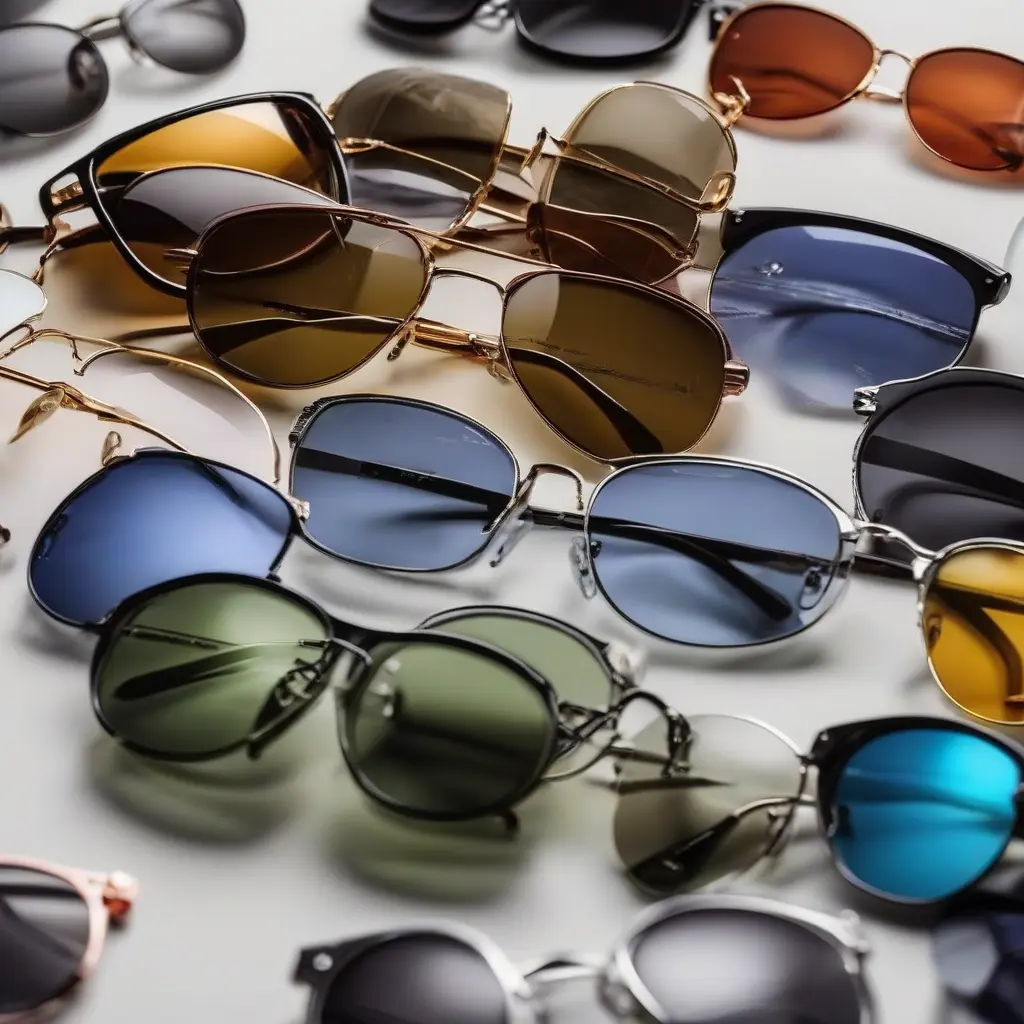
Choosing the right lens color for your sunglasses can significantly impact your vision and comfort while engaging in various outdoor activities. Different lens colors provide unique benefits, filtering out specific wavelengths of light and enhancing contrast in different environments. Understanding the advantages of each lens color will help you select sunglasses that best suit your lifestyle, ensuring optimal eye protection and clarity. In this detailed guide, we’ll explore various lens colors, their benefits, and practical applications to help you make an informed decision.
Why Lens Color Matters
The lens color of your sunglasses plays a crucial role in how your eyes perceive light and colors. Each lens color filters out certain types of light and can improve visibility in various conditions. For instance, darker lenses may reduce glare, making them ideal for bright sunny days, while lighter tones can enhance visibility in low-light settings. By understanding the science behind lens colors, you can select sunglasses that not only protect your eyes from harmful UV rays but also provide the visual clarity needed for your specific activities.
Gray Sunglasses Lenses
Gray sunglasses lenses are among the most popular choices due to their versatility and ability to reduce overall brightness without distorting color perception. These lenses are ideal for everyday use and are particularly effective in bright sunlight, making them a great option for driving, outdoor sports, and general wear. By decreasing glare while maintaining true color representation, gray lenses provide a balanced and comfortable viewing experience, allowing for increased visual clarity across various environments.
Brown and Amber Sunglasses Lenses
Brown and amber lenses are favored for their ability to enhance contrast and depth perception, making them particularly beneficial for outdoor activities like fishing, hiking, and golfing. These lenses filter out blue light, improving contrast in low-light conditions, which makes them excellent for overcast days. Additionally, they can help reduce eye strain by reducing glare and improving visual acuity in varying environments, providing a more comfortable viewing experience during prolonged outdoor activity.
Green Sunglasses Lenses
Green lenses filter out blue light and reduce glare while maintaining a natural color balance. They are particularly effective for people who spend time outdoors, as they improve contrast while still providing good color accuracy. Green lenses are frequently used in sports sunglasses, as they enhance visual acuity without distorting colors. They are also a popular choice for driving, as they allow for better visibility in bright and variable lighting conditions, increasing safety on the road.
Yellow and Gold Sunglasses Lenses
Yellow and gold lenses are known for their ability to enhance contrast, particularly in low-light conditions and during overcast days. These lenses are particularly popular among sports enthusiasts, especially for activities such as skiing or shooting, where visibility is crucial. They can dramatically improve depth perception and reduce eye strain by increasing light transmission while filtering out harmful blue light, making them a practical option for various outdoor activities and enhancing overall visual comfort.
Blue Sunglasses Lenses
Blue lenses are less common but can offer unique benefits in certain conditions. They can reduce glare and enhance contrast, although they may distort color perception slightly compared to other lens colors. These lenses are often chosen for their aesthetic appeal and can be particularly stylish. Blue lenses work well in moderately bright weather and are suitable for casual wear, but they may not be the best option for intense outdoor conditions where optimal clarity is required.
Photochromic Lenses
Photochromic lenses provide a versatile option for individuals who frequently transition between indoor and outdoor environments. These lenses automatically adjust their tint based on the surrounding light, becoming darker in bright sunlight and clearer indoors. This adaptability makes them an excellent choice for daily wear, particularly for those who engage in various activities throughout the day. By offering the benefits of both clear and tinted lenses, photochromic options enhance visual comfort and eye protection in changing light conditions.
Polarized Lenses
Polarized lenses are designed to reduce glare from reflective surfaces such as water, snow, and asphalt. This makes them particularly beneficial for outdoor activities like boating, fishing, and skiing, where glare can be a significant issue. By filtering out horizontal light waves, polarized lenses enhance visibility and reduce eye strain, providing a clearer view of one’s surroundings. While they do not change color, the combination of polarization with various lens colors offers a tailored solution that meets specific outdoor needs.
Sports-Specific Lenses
For athletes and outdoor enthusiasts, sports-specific sunglasses often come with specialized lens colors designed to enhance performance by improving visibility and reducing glare. For example, certain lenses may be optimized for cycling, providing clearer vision in low-light conditions, while others may enhance depth perception and contrast for skiing. Understanding your specific sport requirements can guide you in selecting the right lens color, ensuring optimal performance and protection during outdoor activities.
How to Choose the Right Lens Color
Selecting the correct lens color for your sunglasses involves considering your primary activities and the typical environments in which you engage. Evaluate factors such as weather conditions, the intensity of sunlight, and the types of activities you enjoy. For instance, if you frequently spend time near water, polarized lenses may be advisable, while if you often engage in sports, contrast-enhancing lenses would be beneficial. Taking all these elements into account can guide you toward the perfect lens color for your sunglasses.
Conclusion
In conclusion, the best lens color for your sunglasses ultimately depends on your individual lifestyle and specific needs. Whether you prefer gray, brown, green, or specialized photochromic and polarized lenses, each color offers distinct advantages that cater to different activities and environments. By understanding the benefits of each lens type and factoring in your outdoor habits, you can make an informed choice, ensuring not just comfort but optimal eye protection and clarity for any occasion.