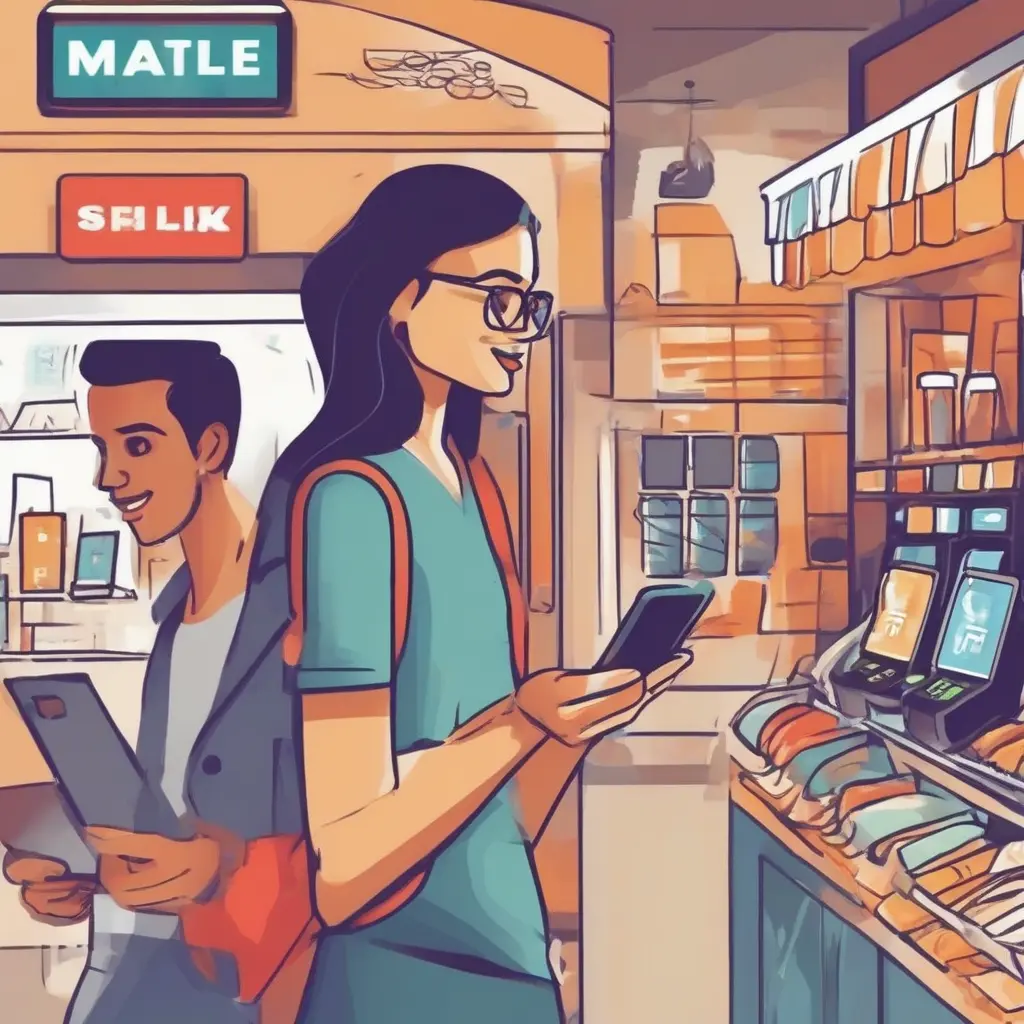
The rise of mobile wallets in India marks a significant transformation in the way consumers manage transactions and payments. With the rapid digitalization of the economy and increased smartphone penetration, more people are turning to mobile wallets for their convenience and efficiency. This article will delve into the various aspects of mobile wallets, their growing popularity, security features, and what consumers need to know to make informed choices.
Understanding Mobile Wallets
Mobile wallets are digital applications that allow users to make transactions using their smartphones. They store payment information, such as credit card and bank account details, enabling quick purchases and money transfers without the need for cash. Users can link their bank accounts for seamless withdrawals or deposits, making mobile wallets a versatile option for everyday transactions. As technology evolves, features such as QR code scanning and near-field communication (NFC) further enhance the user experience.
The Impact of Digitalization in India
India’s government has actively promoted digital payment methods to reduce cash dependency and enhance economic transparency. Initiatives like ‘Digital India’ encourage consumers to adopt mobile wallets for both personal and business use. With the surge in internet connectivity and smartphone access, citizens, especially in urban areas, have increasingly opted for mobile wallets as their first choice for making payments. This shift aligns with global trends in digital finance, making India a significant player in the global wallet market.
Popular Mobile Wallets in India
Numerous mobile wallets have emerged in India, catering to diverse consumer needs. Paytm, PhonePe, and Google Pay are among the most recognized, each offering unique features and incentives. Paytm, for instance, provides a comprehensive ecosystem with options for shopping, bill payments, and ticket bookings, while Google Pay emphasizes user-friendly interfaces with rewards for transactions. This competition fosters innovation, encouraging wallets to introduce enhanced security features and loyal customer programs.
The Benefits of Using Mobile Wallets
Mobile wallets offer numerous benefits that appeal to consumers in India. They provide unmatched convenience by simplifying payment processes; users can pay bills, transfer money, and shop online with just a few taps. Additionally, mobile wallets often come with rewards programs, cashbacks, and discounts that provide financial incentives for using them regularly. Moreover, the real-time transaction tracking feature helps consumers manage their finances effectively, allowing for better budgeting and monitoring of spending habits.
Security Concerns with Mobile Wallets
While mobile wallets are generally considered safe, security concerns persist. Users must remain vigilant against potential fraud, data breaches, and phishing attacks. Most reputable wallet providers implement robust security measures, including encryption, two-factor authentication, and biometric logins. Consumers should also ensure they regularly update their apps and adopt strong passwords to protect their accounts. Understanding these security protocols can significantly mitigate risks associated with mobile wallet usage.
User Experience and Interface
The user experience offered by mobile wallets can significantly impact customer satisfaction. Many wallets provide intuitive interfaces designed to allow easy navigation and fast transactions. Features such as one-click payments and instant notifications of transactions enhance user engagement. Additionally, the ability to customize preferences—for example, setting up favorites for frequent transactions—improves convenience. Ensuring a seamless experience encourages more users to adopt mobile wallets into their daily routines.
Government Regulations and Support
The Indian government plays a pivotal role in regulating mobile payment systems to ensure consumer protection and promote digital literacy. Regulatory bodies like the Reserve Bank of India (RBI) impose guidelines to enhance the transparency and reliability of mobile wallets. These regulations ensure that wallet providers maintain a secure environment for consumers and foster trust in digital transactions. Support from regulatory entities also fuels the growth of mobile wallets by ensuring competitive practices in the market.
Challenges Faced by Consumers
Despite their growing popularity, consumers face challenges while using mobile wallets. Inclusivity remains a concern, as some individuals, particularly in rural areas, lack access to smartphones and the internet. Moreover, technological literacy varies significantly, making it harder for certain demographics to embrace mobile wallet platforms fully. Additionally, transaction limits and payment failures can frustrate users, highlighting the need for continual innovation and infrastructure improvement.
Future Trends in Mobile Wallets
The future of mobile wallets in India appears promising, driven by technological advancements and evolving consumer expectations. Emerging trends such as integration with banking services, expanded cryptocurrency support, and biometric payments are set to shape the evolution of mobile wallets. Furthermore, the rise of AI and machine learning technologies will enhance fraud detection and personalized user experiences. As consumer adoption grows, mobile wallets will likely become even more essential to India’s digital economy.
Conclusion
In conclusion, the rise of mobile wallets in India heralds a new era in digital transactions, offering consumers unmatched convenience and benefits. While security concerns and technological barriers persist, ongoing innovations and government support indicate a positive trajectory. By staying informed and adopting best practices, consumers can leverage mobile wallets to enhance their financial management and transactions effectively.