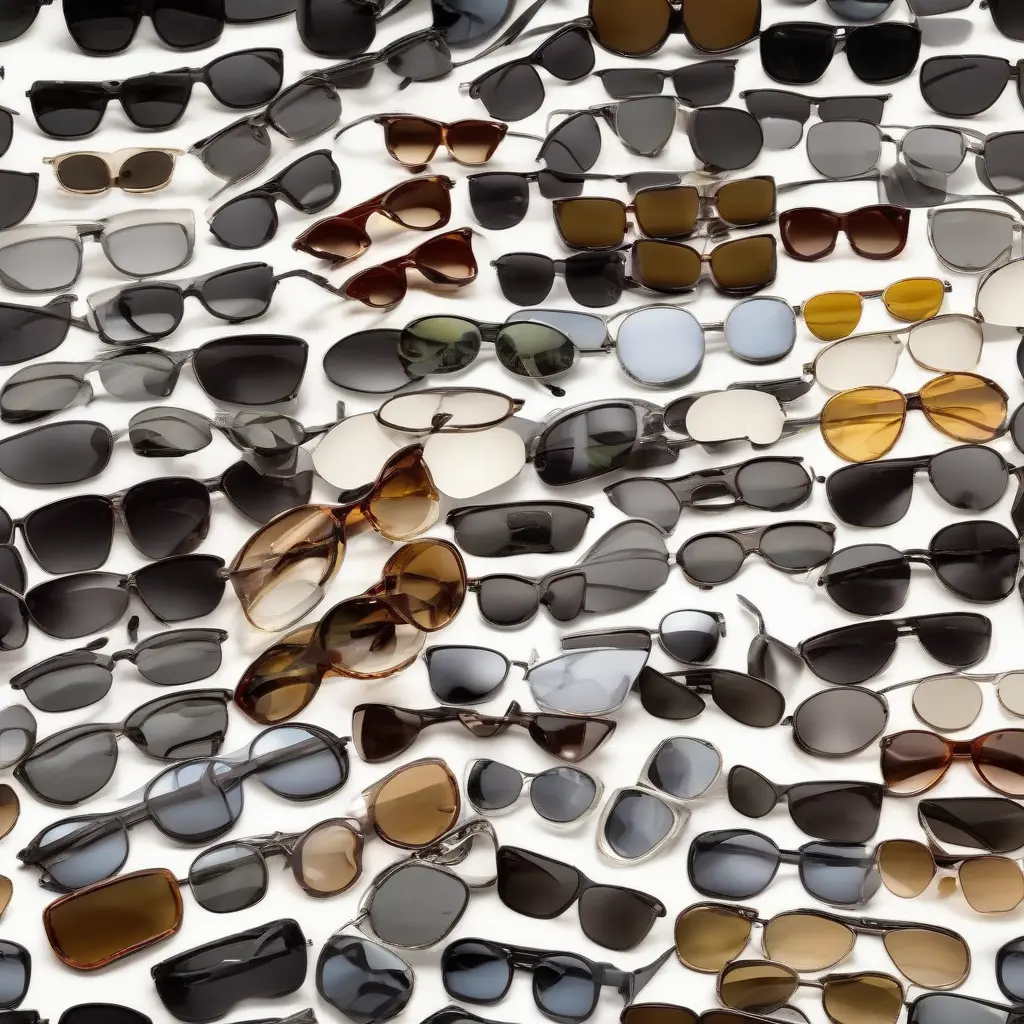
Choosing the right pair of sunglasses goes beyond just style; it involves understanding the different types of lenses available. This guide explores the various sunglass lenses, detailing their benefits and how they cater to specific needs. Whether you seek UV protection, polarization, or specialized tints for sports, the appropriate lens can significantly enhance your visual comfort and eye safety. By the end of this article, you’ll be equipped with knowledge to make an informed decision tailored to your lifestyle.
UV Protection Lenses
UV protection lenses are designed to shield the eyes from harmful ultraviolet rays emitted by the sun. These lenses can help prevent various eye issues, including cataracts and macular degeneration. When selecting sunglasses, look for lenses that block 99% to 100% of UVA and UVB rays, ensuring optimal protection. Many manufacturers label their sunglasses with a UV400 rating, indicating that they effectively filter these harmful rays. Investing in UV protection lenses is essential for anyone spending extended periods outdoors, whether during leisure activities or while driving.
Polarized Lenses
Polarized lenses greatly reduce glare from surfaces such as water, snow, and roads, making them ideal for outdoor activities. This feature enhances visibility and comfort by minimizing eye strain and providing clearer images. These lenses are particularly beneficial for drivers, fishermen, and athletes. When light reflects off flat surfaces, it can create intense glare; polarized lenses counteract this effect, making experiences more enjoyable and safe. It’s noteworthy to consider that polarized lenses can sometimes make it challenging to see screens, such as those on mobile devices or GPS systems.
Photochromic Lenses
Photochromic lenses, also known as transition lenses, automatically adjust their tint based on sunlight exposure. These lenses darken in bright light and become clear indoors, providing versatility without the need for multiple pairs of sunglasses. They offer UV protection and convenience for individuals who frequently move between indoor and outdoor settings. However, the speed of transition and the extent of darkening can vary between brands. While convenient, some users may find that photochromic lenses do not always darken enough for very sunny conditions, making additional sunglasses necessary.
Tinted Lenses
Tinted lenses come in various colors, each offering specific benefits for different activities. For instance, gray tints minimize brightness while maintaining true color perception, making them suitable for general use. Brown and amber tints enhance contrast, beneficial for sports and driving. Green tints provide a balance of color distortion and light filtering. While fashionable, the color of the tint should align with the intended use. Tinted lenses are generally not as effective in blocking UV rays unless specifically designed for that purpose, so always check for relevant UV protection.
Mirrored Lenses
Mirrored lenses feature a reflective coating that creates a mirror-like effect on the surface, reducing glare and enhancing visual clarity. These lenses are prevalent for outdoor enthusiasts, particularly in bright environments such as skiing, surfing, or hiking. The added reflectivity aids in blocking out excess light, making them ideal for those exposed to intense sunlight. Additionally, mirrored lenses often come in various colors and designs, offering a stylish look. However, they may not be suitable for low-light conditions and require careful handling to avoid scratches.
Gradient Lenses
Gradient lenses have a tint that gradually changes from dark at the top to clear at the bottom. This design is particularly advantageous for wearers who need protection from overhead sunlight while maintaining visibility for objects below, such as when driving or reading. They can be stylish and functional, offering a seamless look between light and dark. Gradient lenses are often used in fashion sunglasses, but they can also serve functional purposes. Consider where and how often you’ll use them to determine if gradient lenses match your lifestyle needs.
High-Index Lenses
High-index lenses are designed for individuals with stronger prescriptions, providing thinner and lighter options than traditional lenses. These lenses bend light more effectively, which reduces the thickness and weight, making them more comfortable to wear. Plus, they offer additional benefits such as UV protection and anti-reflective coatings. Choosing high-index lenses can enhance both style and comfort, especially for those who find traditional lenses cumbersome. Ensure that your optical professional recommends high-index options based on your prescription for optimal results.
Aspheric Lenses
Aspheric lenses are designed with a flatter profile, making them slimmer and lighter than traditional spherical lenses. This design minimizes distortion, enhancing peripheral vision, which is crucial for an optimal viewing experience. They are especially beneficial for higher prescriptions and can improve the aesthetic appearance of the glasses. Aspheric lenses also reduce weight and thickness, contributing to comfort and style. Always consult with an eye care professional to determine if aspheric lenses are appropriate based on your prescription and visual needs.
Choosing the Right Lens for Your Activities
Selecting the right sunglass lens involves considering your lifestyle and specific needs. For example, if you’re an outdoor sports enthusiast, polarized or mirrored lenses may enhance your performance by reducing glare. Conversely, if you frequently transition between indoor and outdoor settings, photochromic lenses may offer the best flexibility. A discussion with an optician can provide insights into which lenses would best suit your daily activities, preferences, and any specific visual challenges you may have. Making an informed choice ensures that your sunglasses provide maximum benefit.
Conclusion
Understanding the different types of sunglass lenses is crucial for making an informed purchase tailored to your needs. Each lens type serves a specific function, whether it’s UV protection, glare reduction, or comfort during various activities. By evaluating the unique benefits of each lens, you can choose sunglasses that not only enhance your visual experience but also protect your eyes from harmful elements. Ultimately, the right pair of sunglasses can contribute significantly to your eye health and overall comfort.