Decluttering your wallet can seem like a daunting task, but it is essential for creating a more organized and efficient system for managing your finances. A well-organized wallet not only makes it easier to find what you need when you need it, but it also reduces stress and helps prevent you from carrying unnecessary items. This guide will provide you with simple steps to effectively declutter your wallet, allowing you to streamline your daily tasks and maintain a lighter load.
Assessing the Current Contents of Your Wallet
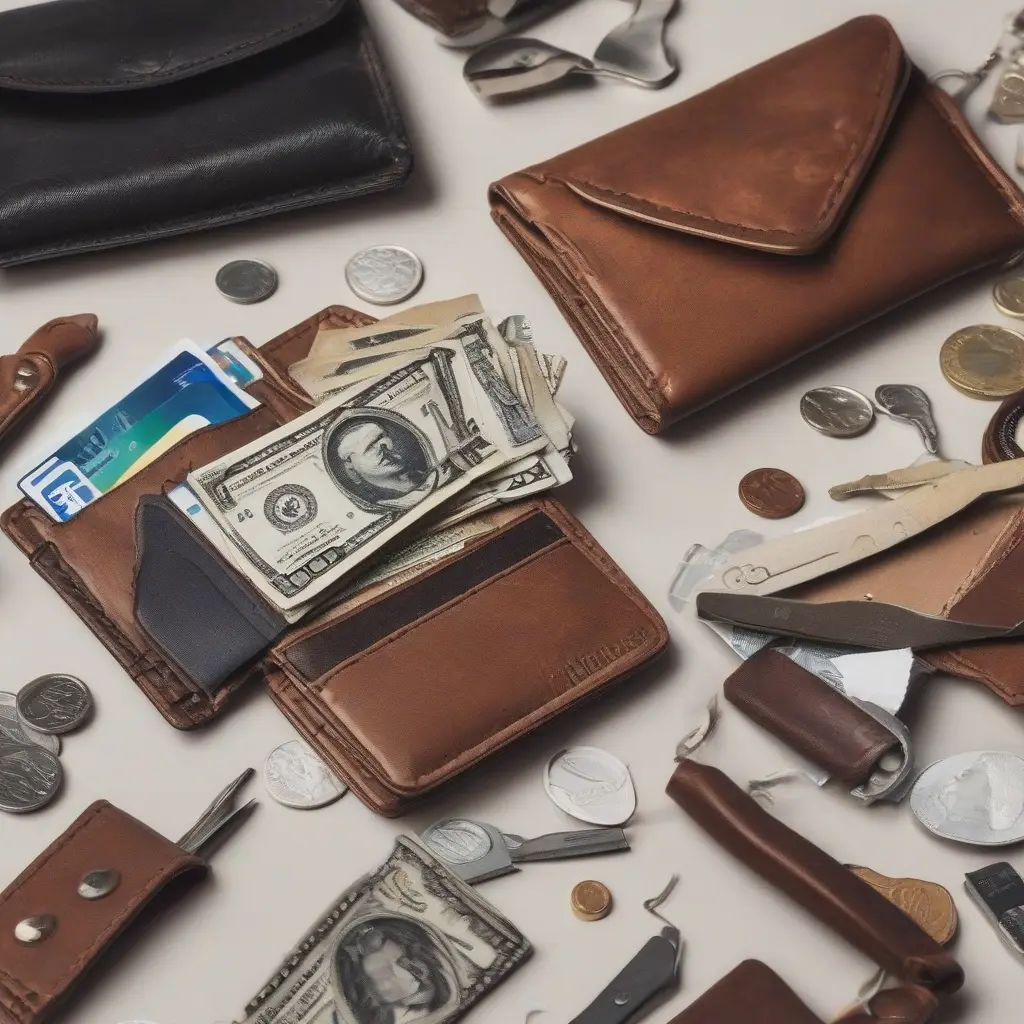
Start the decluttering process by emptying your wallet completely. Lay everything out on a flat surface to assess the contents. This initial step allows you to observe the items you carry daily, revealing hidden clutter that may have accumulated over time. Group similar items together, such as cards, receipts, and cash. This visual organization helps you understand what is truly necessary and what can be removed, making it easier to streamline your wallet.
Categorizing the Items
Once you’ve assessed the contents of your wallet, categorize the items into essential and non-essential groups. Essential items typically include identification, necessary credit or debit cards, and emergency cash. Non-essential items might comprise outdated coupons, unused memberships, and receipts from purchases long past. By categorizing the items, you can make informed decisions about what to keep and what to discard or store elsewhere.
Eliminating Unnecessary Items
Now that you have categorized your belongings, it’s time to eliminate the unnecessary items from your wallet. Start by removing expired cards, receipts, and anything else that no longer serves a purpose. Keep in mind that a decluttered wallet not only feels lighter but enables you to access important items more quickly. This step is crucial, as it reduces clutter and allows room for items that may be more relevant or needed.
Digitalizing Certain Items
Consider digitalizing items that can be stored electronically or accessed via smartphone apps. For instance, many companies offer digital versions of loyalty cards and receipts, which can significantly reduce the physical clutter in your wallet. By opting to store such information digitally, you also enhance your wallet’s organization and accessibility, allowing for quicker transactions when you need to present a card or receipt.
Utilizing Wallet Organizers
To further streamline your wallet, consider using wallet organizers or cardholders designed to fit easily into your existing wallet. These organizers help separate different types of cards and make it easier to locate specific items without rummaging through the entire wallet. By using an organizer, you maintain a tidy and efficient space while optimizing accessibility, which is a vital aspect of a well-functioning wallet.
Implementing a ‘One In, One Out’ Rule
Adopt the ‘One In, One Out’ rule to maintain the decluttered state of your wallet moving forward. This practice implies that for every new item you add, such as a new card or a receipt, you must remove an existing item. This approach encourages conscious decision-making about what to carry and prevents the gradual accumulation of clutter again. By consistently applying this rule, you enhance the longevity of your wallet’s organization efforts.
Regular Maintenance Checks
Schedule regular maintenance checks to keep your wallet decluttered over time. Depending on your usage, these checks can be monthly or quarterly. During these maintenance sessions, evaluate the necessity of each item, ensuring that what you carry aligns with your current financial needs and lifestyle. This proactive approach helps combat clutter buildup and reinforces your commitment to maintaining a functional and organized wallet.
Choosing the Right Wallet
Selecting the right wallet for your needs plays a significant role in how easily you can maintain organization. Consider features such as size, compartments, and material when making your choice. A well-designed wallet can accommodate your essential items without forcing you to carry excess or non-essential clutter. Investing in a functional wallet promotes better organization and encourages you to adhere to decluttering practices.
Conclusion
Decluttering your wallet is a practical endeavor that contributes to better organization and efficient financial management. By following the steps outlined in this guide, you can create a streamlined wallet that minimizes clutter and enhances accessibility. This simple process not only reduces daily stress but also reflects a more disciplined approach to your finances.