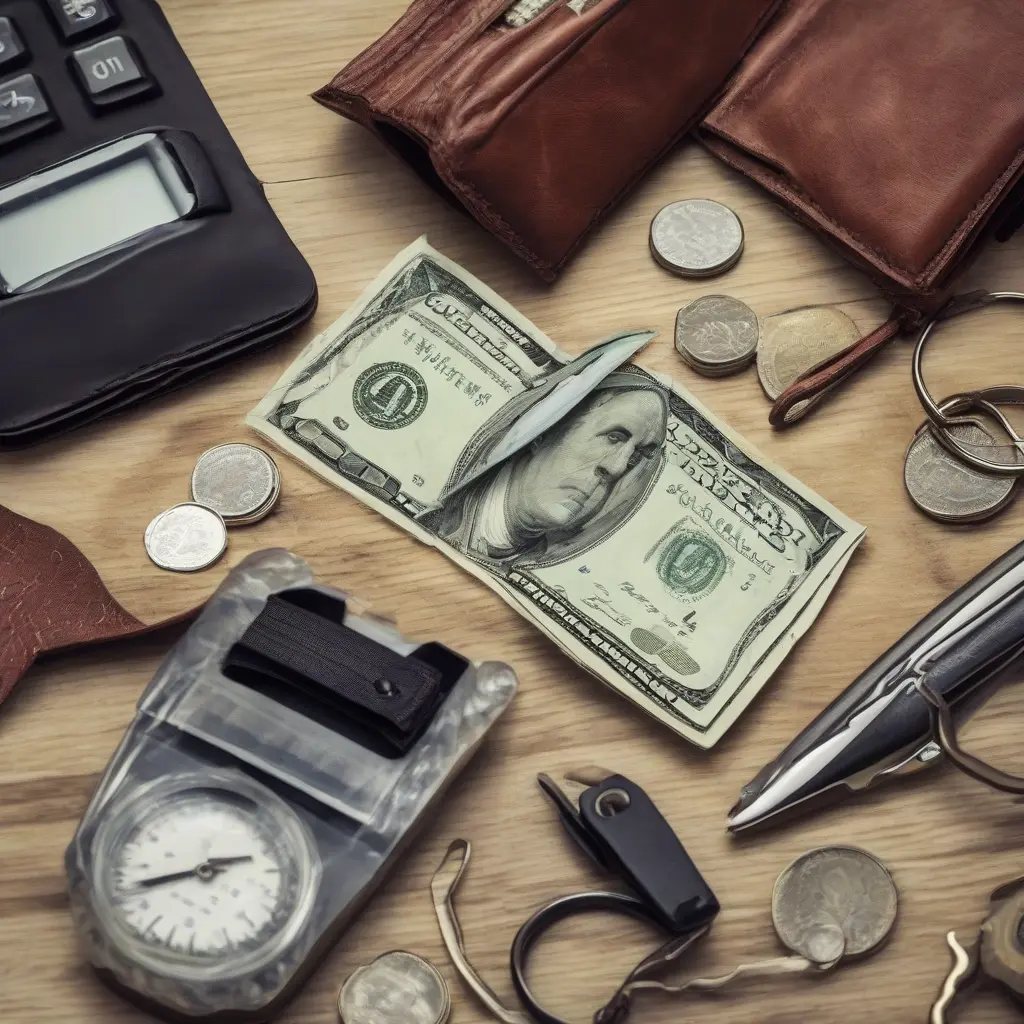
Having an emergency wallet can be a lifesaver in unfortunate situations, enabling you to access vital resources when needed. The essential items for emergency wallet should be carefully selected to ensure that they provide practical support during unexpected events. From identification to cash and health cards, being prepared enhances your ability to manage various crises effectively. In this article, we will explore the key essentials you should keep in your wallet to bolster your preparedness for emergencies, ensuring you are always ready for the unexpected.
Identification Documents
Carrying identification documents is a fundamental aspect of the essential items for emergency wallet. This typically includes a driver’s license or a government-issued ID, which can be crucial if you find yourself in a situation requiring identification. In medical emergencies, having your ID ensures that medical staff can verify your identity and medical history. Additionally, if you plan to travel, a passport is also vital, making it easy to navigate international regulations and verify your identity at border checks.
Health Insurance Card
A health insurance card is another critical piece among the essential items for emergency wallet. This card provides essential information about your health coverage, allowing healthcare providers to access your benefits swiftly in case of a medical issue. In emergencies, having your insurance details readily available can expedite the treatment process and ensure that you receive the care you need without unnecessary delays. Always keep this card in an accessible slot within your wallet to ensure its availability during crises.
Emergency Contact Information
Including emergency contact information is vital when considering the essential items for emergency wallet. This should consist of names, relationships, and phone numbers of people you trust and would want to contact in an emergency. If you are incapacitated, first responders can quickly reach out to someone who can assist in making decisions or provide relevant information. Consider keeping this information on a small card in your wallet or utilizing a QR code for easy access and readability.
Cash and Spare Change
Although digital payment methods are increasingly popular, having cash and spare change is a crucial component of the essential items for emergency wallet. Cash can be invaluable in situations where electronic payment options are unavailable, enabling you to make necessary purchases, such as food or transportation. Aim to keep a small amount of cash in various denominations to handle different scenarios. This preparedness reduces stress when electronic payment systems fail, ensuring that you have a reliable means of acquiring essentials.
Medical Information and Allergies
Keeping a list of medical information and allergies is another important inclusion among the essential items for emergency wallet. This information should detail any medication you are taking, chronic conditions, and allergies to specific drugs or foods. In an emergency, medical personnel can quickly access this information, improving your treatment. Write this information in a concise format and store it in your wallet, so it’s readily available during any medical crisis.
Basic First Aid Supplies
Incorporating basic first aid supplies is a practical move when considering the essential items for emergency wallet. These supplies may include adhesive bandages, antiseptic wipes, and pain relief tablets. Having these items at your disposal allows you to address minor injuries quickly, preventing a small issue from escalating. Consider using a compact first aid kit or pouch that fits comfortably in your wallet, ensuring that you can provide immediate care when the need arises.
Loyalty and Membership Cards
While they may not seem critical, loyalty and membership cards can serve as essential items for emergency wallet when used wisely. These cards often offer discounts or benefits that can be helpful during emergencies, such as travel delays or needing quick access to specific services. Ensuring you keep only necessary and frequently used cards can streamline your wallet. Organizing these can also provide quick access during moments when you might require some form of assistance or benefits.
Public Transportation Pass
If you frequently use public transportation, including a public transport pass in the essential items for emergency wallet is a wise decision. This pass can facilitate quick and efficient travel without the need for cash or card payments. In scenarios where access to transportation is vital—such as evacuation from an emergency or reaching safety—having your transit pass handy can make all the difference. Ensure this pass is regularly loaded with funds for unexpected travel needs.
Conclusion
In conclusion, understanding the essential items for emergency wallet is key to ensuring you are always prepared for unforeseen situations. By equipping yourself with vital identification, health insurance details, cash, and essential medical information, you can navigate emergencies with greater confidence. Regularly reviewing and updating the contents of your wallet can greatly improve your ability to respond effectively during crises, providing peace of mind and security when you need it most.