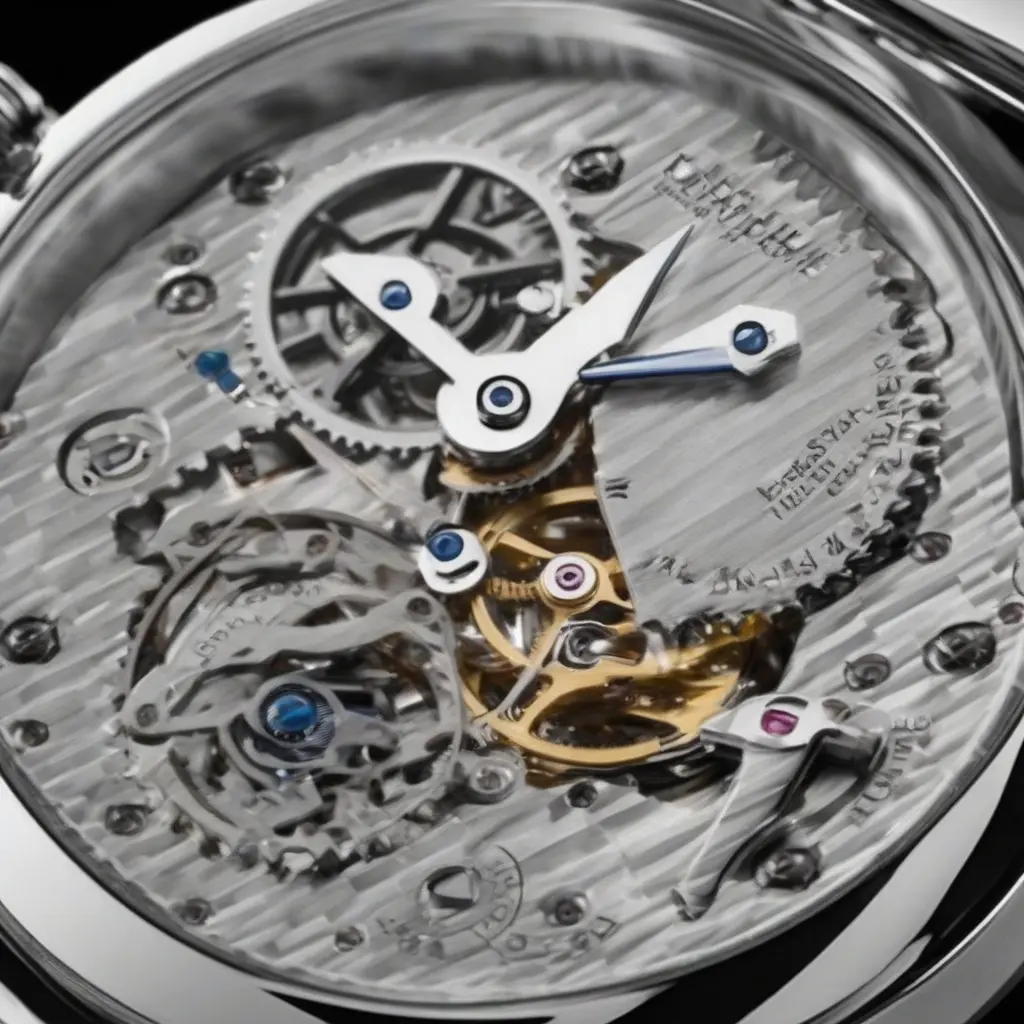
The journey of watch technology in India has been nothing short of remarkable, marked by innovation, craftsmanship, and a deep-rooted cultural affinity for timekeeping. From the introduction of mechanical watches to the latest smartwatches, the Indian watch technology evolution showcases a blend of traditional skills and modern advancements. As the demand for quality timepieces has surged, Indian manufacturers have adeptly adapted to global trends while weaving in local artistry. This article delves into the various phases of watch technology evolution in India, highlighting key milestones and innovations that have shaped the current landscape.
Early Beginnings: Mechanical Watchmaking
The roots of watchmaking in India can be traced back to the late 19th century, when British colonization introduced mechanical watches to the region. Early Indian watchmakers began to craft intricate timepieces, blending craftsmanship with European horological techniques. This period laid the foundation for a rich tradition of mechanical watchmaking that emphasized quality and precision. Local artisans created stunning pieces adorned with traditional motifs and designs, capturing the cultural essence of India. This initial phase marked the beginning of a long journey towards a flourishing watch industry.
Post-Independence Growth and Domestic Brands
Following India’s independence in 1947, the watch industry witnessed significant growth, leading to the establishment of iconic domestic brands like HMT and Titan. With a focus on affordability and mass production, these brands made watches accessible to the average Indian consumer. HMT, in particular, gained popularity for its mechanical watches that offered reliability and durability. This era saw a shift from imported timepieces to locally produced ones, marking a pivotal moment in the Indian watch technology evolution and instilling a sense of pride among consumers.
Technological Advancements: Quartz Revolution
The 1970s brought about the quartz revolution, fundamentally changing the landscape of watch technology worldwide, including India. Quartz watches offered superior accuracy and lower maintenance compared to mechanical counterparts. Indian manufacturers rapidly adapted to this change, launching quartz models that captured consumer interest. Companies like Titan embraced this new technology, introducing sophisticated designs and additional features, establishing themselves as leaders in the market. The quartz craze not only diversified the offerings but also paved the way for technological innovations within the industry.
Smartwatches and the Digital Age
The rise of smartwatches in the 21st century brought a new dimension to the Indian watch technology evolution. With the increasing integration of technology into daily life, Indian companies began to invest heavily in smart wearables. Brands like Fastrack and Noise quickly recognized the potential and launched feature-rich smartwatches that catered to health-conscious consumers. These devices combine traditional timekeeping with modern technology, offering functionalities like fitness tracking and notification alerts. The shift to digital signifies a new era of adaptability and innovation in the Indian watch market.
Craftsmanship Meets Technology: Hybrid Watches
As the demand for unique timepieces grows, hybrid watches have emerged as a defining trend in the Indian watch technology evolution. These watches blend traditional craftsmanship with smart technology, appealing to both horology enthusiasts and tech-savvy consumers. Brands such as Titan have embraced this trend, launching collections that offer classic designs alongside smart features like heart rate monitoring and step tracking. This fusion of styles reflects a growing consumer preference for versatility, allowing individuals to enjoy the best of both worlds.
Challenges and Future Prospects
While the Indian watch industry has seen tremendous growth, it also faces challenges such as competition from global brands and changing consumer preferences. However, this evolution presents opportunities for innovation in design and technology. Companies are focusing on sustainability, materials, and customization options to cater to a diverse customer base. As the Indian watch industry adapts to these changes, the future looks promising, with potential advancements in smart technology and designs that retain cultural significance while appealing to a global audience.
Conclusion
In conclusion, the Indian watch technology evolution reflects a rich history of adaptation and innovation, showcasing the ability of local brands to embrace change while honoring tradition. From mechanical watches to cutting-edge smartwatches, the journey has been shaped by consumer needs and technological advancements. As the industry continues to evolve, it holds tremendous promise for future innovations that honor India’s craftsmanship and satisfy modern demands, ensuring that Indian watches remain relevant in a rapidly changing global landscape.