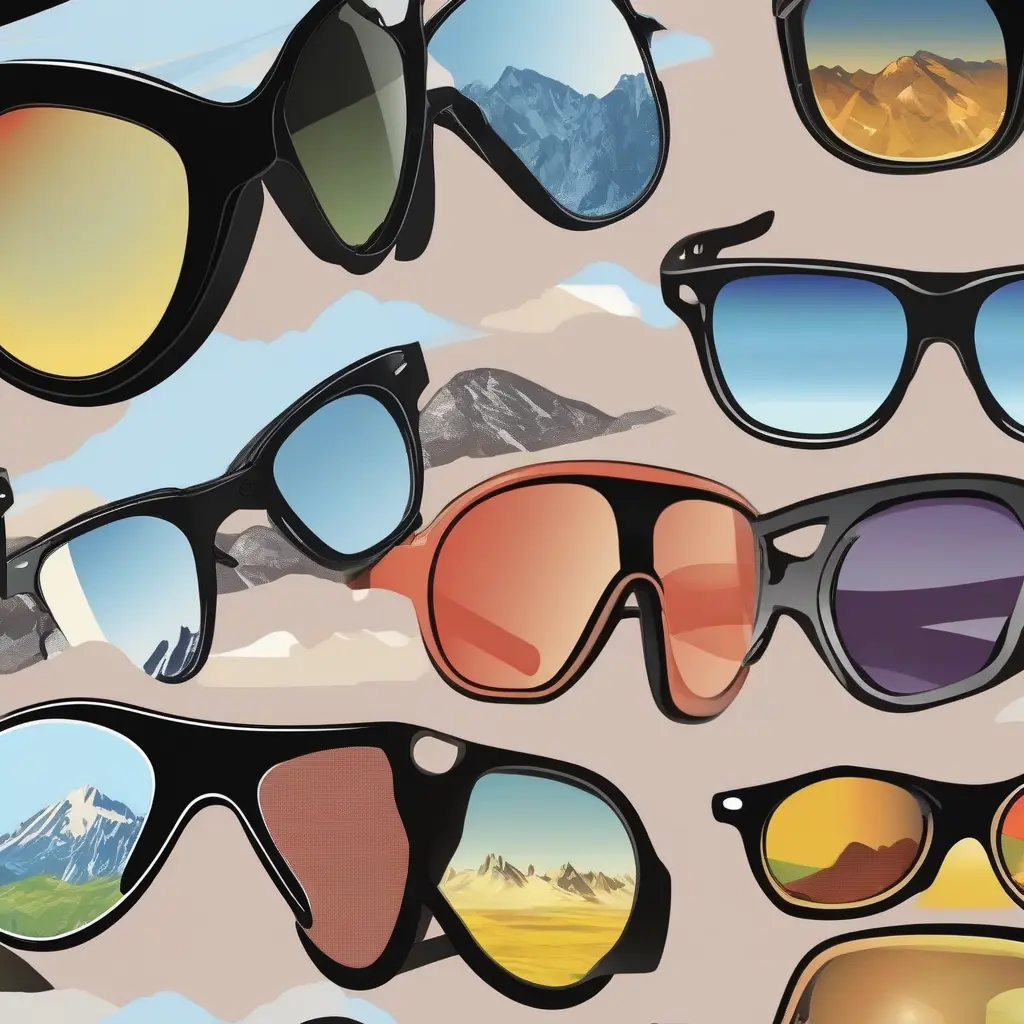
Selecting the right sunglasses for high-altitude activities is crucial for ensuring comfort and protection. At elevated altitudes, ultraviolet (UV) radiation increases significantly, making it essential to choose eyewear that offers optimal UV protection. Additionally, factors such as lens tint, polarization, and fit play vital roles in enhancing visibility and reducing glare. This guide provides insights into what to consider when selecting sunglasses for high-altitude adventures, ensuring that your eyes remain safeguarded while you enjoy the great outdoors.
Understanding UV Protection in Sunglasses
High-altitude environments expose your eyes to elevated levels of UV radiation, which can lead to various eye health issues. When choosing sunglasses, it’s essential to select those that provide 100% UV protection. Look for lenses labeled with UV400, which guarantees that they block both UVA and UVB rays effectively. This level of protection helps prevent long-term damage such as cataracts or macular degeneration by shielding your eyes from harmful solar rays during outdoor activities.
Choosing the Right Lens Tint
The tint of sunglasses lenses can significantly affect visibility and comfort, especially at high altitudes. Darker tints may reduce brightness but can also distort color perception, which is crucial for certain activities. For high-altitude endeavors, consider gray or brown tints that offer true color recognition while reducing glare. Additionally, lighter tints such as yellow or amber can enhance contrast in overcast conditions, making them useful when navigating varying weather conditions.
The Benefits of Polarized Lenses
Polarized lenses are a great choice for high-altitude activities as they effectively reduce glare from reflective surfaces, such as snow or water. This can significantly enhance visibility and comfort by preventing eye strain. When selecting polarized sunglasses, look for options that have a high polarization rating to ensure maximum effectiveness. These lenses not only improve clarity but also provide additional protection from the sun’s rays, making them an ideal choice for skiing, hiking, or climbing.
Lens Material: Safety and Durability
The material of your sunglasses lenses is a critical consideration for high-altitude activities. Polycarbonate lenses are lightweight yet highly impact-resistant, making them suitable for adventurous pursuits. They offer excellent protection against shattering—ideal for rocky terrains and intense sports. Additionally, mineral glass lenses are scratch-resistant and provide excellent optical clarity. However, they are heavier and less impact-resistant compared to polycarbonate options. Consider your activity level when choosing the lens material.
Frame Fit and Comfort
A proper fit is essential for sunglasses, especially when engaging in high-altitude activities. Sunglasses that slide down your nose or feel too tight can become distractions. Look for frames that offer adjustable nose pads or flexible temples to ensure a secure fit. Wraparound designs can provide added coverage, protecting your eyes from wind, debris, and UV rays from the sides. Comfort is key; select lightweight frames that will not hinder your performance during strenuous endeavors.
Additional Features for Enhanced Performance
Many sunglasses come with additional features that enhance their performance in high-altitude environments. Anti-fog coatings are beneficial for activities that involve temperature fluctuations, preventing foggy lenses that obscure vision. Moreover, some sunglasses are designed with interchangeable lenses, allowing you to adapt to different light conditions easily. Before committing to a pair, consider what extra features will best serve your specific activities for an improved overall experience.
Care and Maintenance of Sunglasses
Proper care and maintenance can significantly extend the life of your sunglasses, especially when used in harsh high-altitude conditions. Always store sunglasses in a protective case when not in use to prevent scratches and damage. Regular cleaning with a microfiber cloth and mild soap can help remove dirt and oils that accumulate on the lenses. Avoid using paper towels, as they may scratch the lens surface. By following these simple maintenance tips, you ensure that your sunglasses remain in peak condition for all your adventures.
Budget Considerations: Finding Quality Sunglasses
While it’s tempting to go for cheaper options, investing in quality sunglasses is essential for high-altitude activities. Higher-priced models generally offer better UV protection, durability, and enhanced lens features that are crucial for outdoor safety. Set a budget that aligns with the features you desire while prioritizing eye protection. Additionally, consider shopping during sales or looking for quality brands that offer mid-range products without compromising on performance.
Conclusion
Choosing the right sunglasses for high-altitude activities is vital for protecting your eyes and enhancing your overall experience. By considering factors such as UV protection, lens tint, polarization, fit, and material, you can make an informed decision that aligns with your specific outdoor adventures. Investing in quality sunglasses ensures comfort and safety, allowing you to fully enjoy the breathtaking beauty of high-altitude environments.