India boasts a rich tapestry of culture, and this extends to its craftsmanship in watchmaking. Unique Indian techniques and artistry are increasingly gaining recognition in a global market. Local artisans weave their heritage into timepieces, creating watches that blend traditional practices with modern technology. This article delves into the nuances of Indian watchmaking, exploring the significance of craftsmanship, historical influences, and contemporary innovations. Whether you’re a watch enthusiast or simply curious, understanding India’s role in this industry provides insight into a world of creativity and precision.
The Historical Significance of Indian Watchmaking
The roots of Indian watchmaking date back to the early 20th century, intertwining with the country’s historical context and colonial influences. The establishment of various watch companies during this time marked the beginning of a local movement. Brands like HMT (Hindustan Machine Tools) emerged, producing wristwatches that became household names. The flourishing of this industry not only provided employment but also nurtured a sense of national pride. As a result, Indian watchmaking celebrated a unique identity, merging Western technology with Indian aesthetic nuances, setting the stage for future innovations.
Craftsmanship: A Blend of Tradition and Modernity
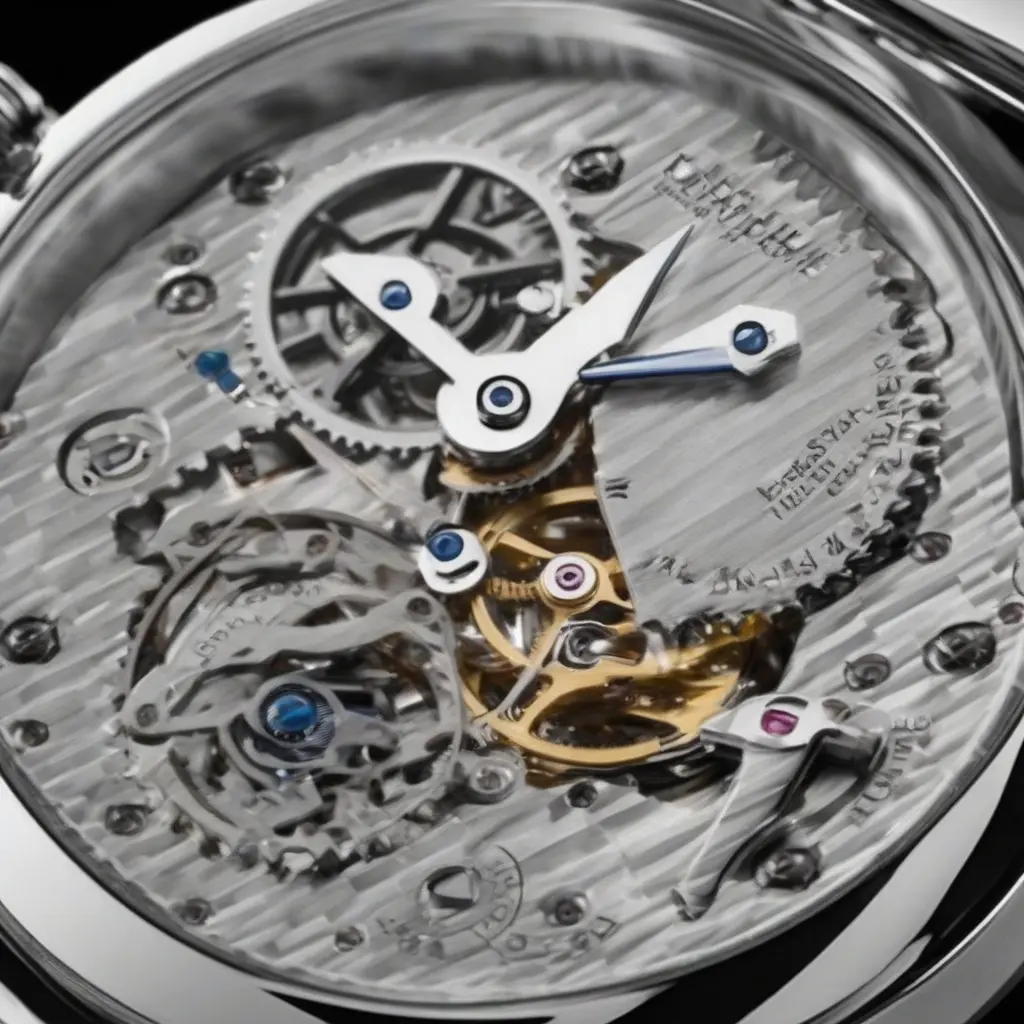
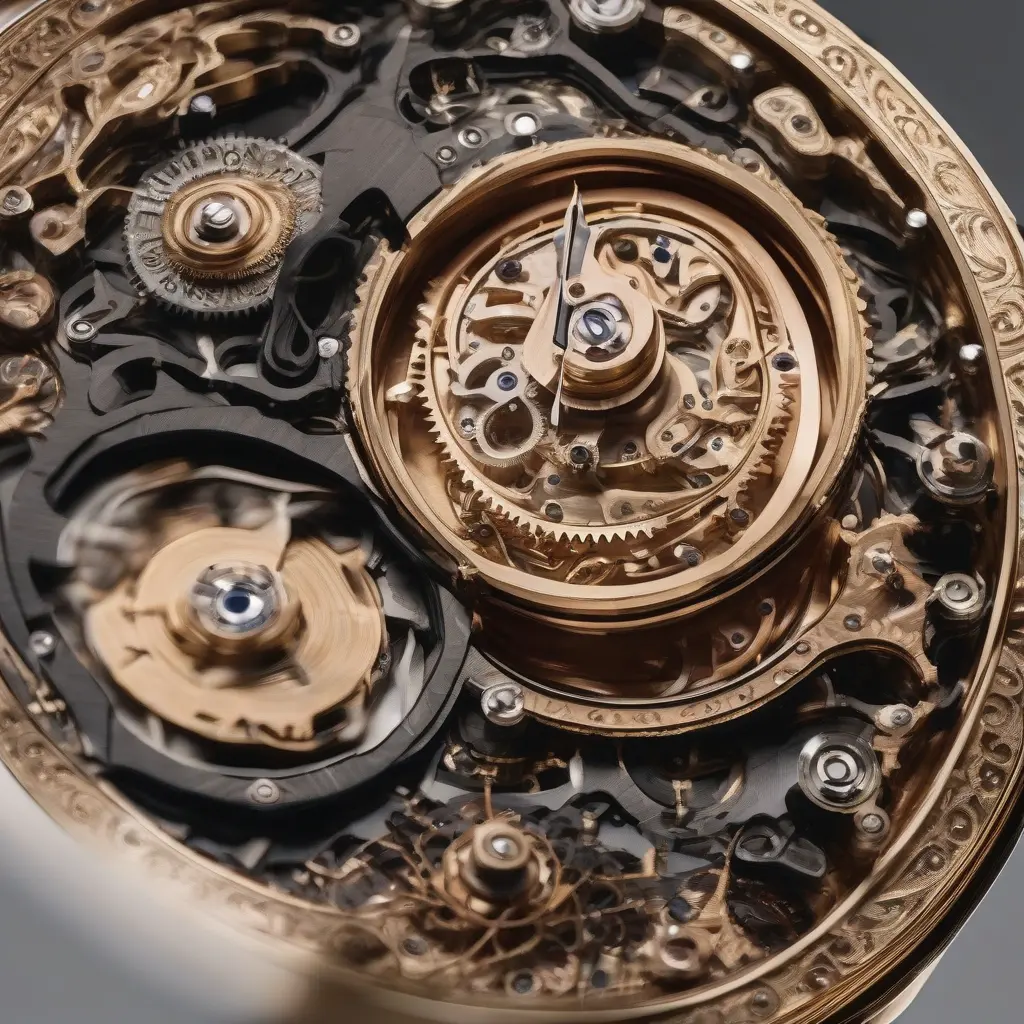
Indian craftsmanship in watchmaking emphasizes intricate designs that reflect cultural narratives and regional artistry. Each piece tells a story, thanks to the skilled artisans who employ traditional techniques like engraving and painting. Modern technology, including CNC machining and 3D printing, complements these age-old practices, allowing for precision and scalability. This blend not only enhances the aesthetic quality but also ensures durability. Watches produced in India often feature unique motifs and embellishments, making them stand out in a crowded global market and appealing to collectors and enthusiasts alike.
Notable Indian Watch Brands
Several Indian brands have carved a niche in the global watch market, showcasing the country’s craftsmanship on an international stage. Brands like Titan, Fastrack, and Noise symbolize innovation and creativity, each offering a range that appeals to diverse demographics. Titan, in particular, has become synonymous with quality, introducing various collections that reflect India’s cultural richness. Meanwhile, luxury brands, such as Ethos and Esprit, push the envelope by merging traditional designs with modern technology, appealing to high-end consumers while celebrating Indian craftsmanship.
Innovations in Watchmaking Techniques
The Indian watch industry is not just about preserving tradition but also about embracing innovation. Recent developments in materials science have led to the use of lightweight, durable materials like carbon fiber and titanium. Furthermore, smart technologies are being infused into traditional models, creating hybrid watches that offer performance without compromising style. Innovations such as solar-powered movements and automatic winding systems enhance functionality, catering to the needs of a tech-savvy consumer base. These advancements push Indian watchmaking into the future while retaining its signature craftsmanship.
Cultural Influences on Design
Cultural heritage plays a crucial role in shaping the designs prevalent in Indian watchmaking. The convergence of various traditions, from Mughal motifs to regional artisan techniques, brings a unique flair to each piece. Watchmakers often collaborate with local craftsmen, infusing their expertise into designs, creating timepieces that resonate with Indian aesthetics. This emphasis on cultural representation not only elevates the artistry but also fosters a deeper connection to heritage among consumers. Each watch becomes a narrative of India’s diverse culture, appealing to both locals and international collectors.
Challenges Facing Indian Watchmakers
Despite the rich heritage, Indian watchmakers face numerous challenges in the competitive market. One significant hurdle is the dominance of foreign brands, often characterized by superior marketing strategies and global reach. Additionally, the rising cost of raw materials can affect pricing strategies, making it difficult for local artisans to compete. Moreover, the shift towards digital engagement means that many traditional watchmakers need to adapt quickly to remain relevant. To overcome these challenges, collaboration and innovation will be essential in fostering a sustainable future for Indian craftsmanship in the watch industry.
The Future of Watchmaking in India
The future looks promising for Indian watchmaking as it continues to evolve and adapt to global trends while retaining its unique identity. Emerging technologies such as artificial intelligence and blockchain are being integrated into the watch manufacturing process, ensuring authenticity and enhancing consumer trust. Furthermore, a growing focus on sustainability is leading to eco-friendly practices in materials sourcing and packaging. The commitment to both innovation and heritage positions Indian craftsmanship favorably in a globalized economy, helping to elevate the country as a significant player in the watch industry.
Conclusion
In conclusion, Indian craftsmanship in watchmaking represents a beautiful fusion of tradition, culture, and innovation. As the industry navigates challenges and embraces opportunities, it becomes a vital contributor to the global watch market. The continued emphasis on unique designs and techniques not only honors heritage but also paves the way for a bright future, making Indian watches increasingly sought after by enthusiasts and collectors worldwide.