Wallets play a crucial role in our daily lives, serving as a storage solution for essential items like cash, cards, and IDs. Over time, these accessories can face wear and tear, prompting the question of whether to repair or replace them. Understanding the types of damage a wallet can sustain, the costs associated with repair, and the benefits of investing in a new wallet can assist in making an informed decision. This article provides essential wallet repair tips to help you determine the best course of action for your beloved accessory.
Identifying Common Wallet Issues
Before deciding on repair or replacement, it’s important to identify common wallet issues. Frequent problems include worn-out stitching, damaged zippers, and broken clasps. Additionally, issues like fading or discoloration can detract from a wallet’s appearance. Assessing these damages can provide insight into whether a simple repair will suffice or if a full replacement is needed. A well-maintained wallet enhances overall functionality and appearance, making it essential to spot problems early.
Assessing Repair Costs
When considering wallet repairs, evaluating potential costs is vital. Minor fixes such as replacing a zipper or re-stitching seams can often be completed affordably. However, extensive damage may lead to higher repair expenses that could rival the cost of a new wallet. Researching local repair shops or online services can yield varying quotes. By comparing these estimates with the potential cost of replacement, you can make an informed choice about how to proceed.
The Emotional Attachment Factor
Many individuals develop an emotional attachment to their wallets, especially those inherited or gifted. This sentiment can heavily influence the decision to repair versus replace. A wallet often carries memories and personal stories, making the idea of parting with it difficult. Understanding this emotional investment is key to evaluating the repair process, as restoring something with personal significance can often bring satisfaction that a new item may not provide.
The Benefits of Repairing Your Wallet
Repairing your wallet can offer numerous benefits, particularly in terms of sustainability and cost-effectiveness. Choosing to fix a wallet reduces waste and contributes to eco-friendly practices by prolonging the lifespan of an item. Additionally, repairs can often restore a wallet to its original functionality, providing the user with a reliable accessory while saving money. Individuals seeking to maintain their wallets can explore various DIY repair options, further enhancing their skills.
When Replacement is the Best Choice
While repairs can extend the life of many wallets, circumstances arise when replacement is the better option. Extensive damage such as deep tears, significant wear, or structural degradation may compromise the wallet’s integrity. Furthermore, if the wallet’s functionality is severely impaired or if it no longer meets your needs, investing in a new wallet can enhance daily use. Choosing a replacement allows for exploring new designs and features that better align with personal preferences and lifestyle.
Materials and Durability Considerations
When weighing the decision between wallet repair and replacement, consider the materials and durability of your current wallet. Leather wallets offer long-lasting quality but can be prone to scratches and scuffs. Synthetic wallets, while often lighter and cheaper, may not endure wear as effectively. Understanding the material composition can help in assessing whether repairs will effectively restore functionality or if upgrading to a higher-quality wallet would be a more sensible investment.
The Rise of Customization Options
In today’s market, customization options for wallets have expanded significantly, allowing users to personalize their accessories. This trend highlights the importance of considering replacement rather than repair when an old wallet can no longer fulfill style requirements. Customized wallets not only reflect individual preferences but also allow for the inclusion of essential features that enhance usability. Exploring these options can lead to a unique wallet that lasts longer and meets modern lifestyle demands.
Navigating Repair Techniques
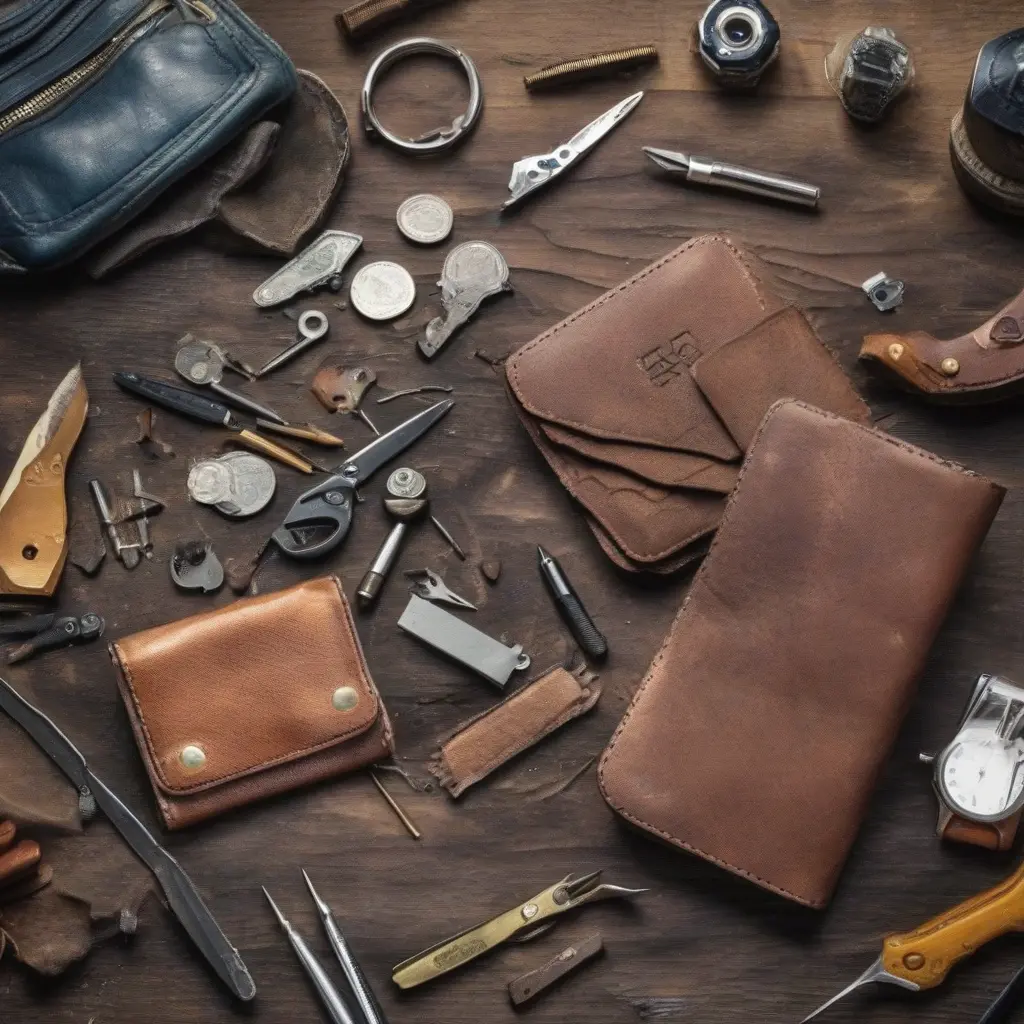
If you choose to repair your wallet, knowing some effective techniques can be beneficial. For example, using a needle and thread to fix loose stitching can be executed with common sewing supplies, often yielding satisfying results. Temporary fixes like fabric glue or leather conditioner can restore appearance and functionality until a more comprehensive repair can be arranged. Understanding these techniques helps in effectively maintaining the wallet and improving its durability for future use.
Deciding Based on Usage Needs
Your wallet’s condition should be assessed against how you use it daily. If you frequently rely on specific features like card slots and compartments, even a minor issue could disrupt its functionality. Conversely, if the wallet is mainly ornamental or used occasionally, minor repairs may be sufficient. By considering usage needs, you can better gauge whether repairing an older wallet meets your requirements or if investing in a new one is the most practical choice.
Conclusion
Ultimately, the decision to repair or replace a wallet hinges on an array of factors, including condition, emotional value, and personal needs. By carefully evaluating the situation, individuals can make informed choices that align with their desires and lifestyle. Whether you opt for a repair to extend the life of a cherished item, or choose to replace it with something new and functional, understanding the nuances involved can lead to a satisfying outcome.