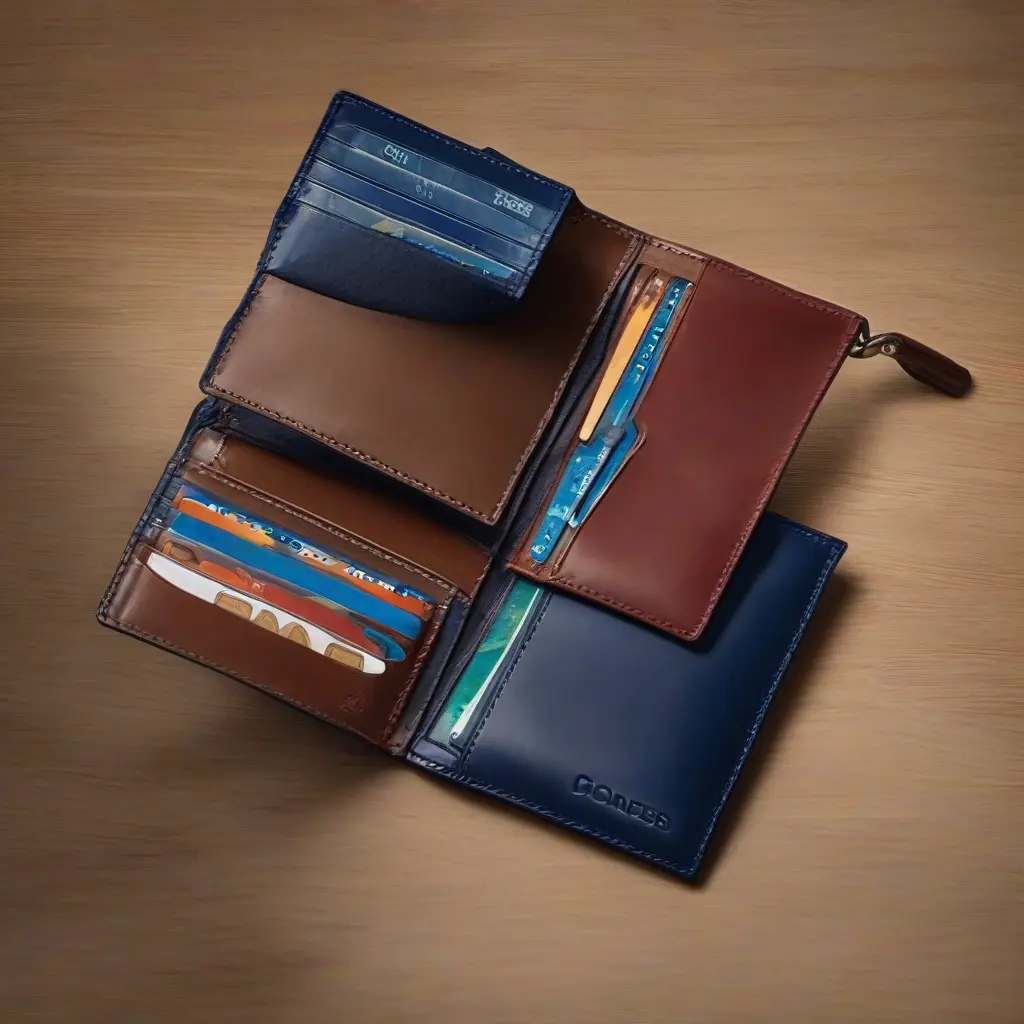
Choosing the perfect wallet involves balancing style with practicality, a consideration that many overlook. As wallets serve not only as functional accessories for carrying cash and cards but also as statements of personal style, it’s essential to weigh these aspects carefully. A wallet can impact daily convenience, organization, and overall appearance. From materials and design to storage capacity, understanding what features matter most to you will help you select the right wallet. This article delves into these trade-offs, offering insight into various factors that influence your decision-making process.
Understanding Wallet Types
Before diving into the style-versus-practicality debate, it’s crucial to understand the different types of wallets available. Common styles include bifold, trifold, and minimalist designs, each fulfilling varying needs. Bifold wallets typically offer more storage but can be bulkier, while trifold wallets provide additional compartments. Minimalist wallets are sleek but may sacrifice storage for size, appealing to those who prefer carrying the essentials. Recognizing the wallet type that best suits your lifestyle can serve as the first step toward making a balanced choice.
Evaluating Style Preferences
Style is a significant factor when selecting a wallet, as it often reflects your personality and fashion sense. Options range from classic leather choices to modern materials like nylon and synthetic fabrics. Choosing a color or design that complements your overall wardrobe can enhance your style. However, personal taste should align with functionality; an aesthetically pleasing wallet should not compromise its usability. Assessing your style preferences alongside practical needs will guide you to a wallet that embodies both elements.
Practical Features to Consider
When deliberating between style and practicality in a wallet, consider essential features such as card slots, cash compartments, and RFID protection. An adequate number of card slots is vital for organizing various cards, while a secure compartment for cash or coins adds convenience. Additionally, RFID-blocking technology protects against electronic pickpocketing, offering safety alongside usability. Identifying which practical features are non-negotiable for you will help narrow down your options with clarity.
Material Matters
The material of a wallet plays an essential role in both style and durability. Leather wallets exude sophistication and are often long-lasting, but they can be more expensive and require maintenance. Conversely, synthetic materials offer affordable options with varied colors and designs but may lack the timeless appeal of leather. Eco-friendly materials are also gaining popularity for consumers interested in sustainability. Understanding the pros and cons of each material allows you to find a balance that suits your practical needs and style aspirations.
Size vs. Functionality
The size of a wallet can significantly influence its functionality. A larger wallet often provides additional storage for cards and cash, enhancing practicality, but may become cumbersome to carry. Conversely, smaller options can improve portability but might force you to leave behind essential items. Finding the right size involves assessing your daily needs and how much you typically carry. It is crucial to strike a balance, ensuring that your wallet is functional without becoming an inconvenience.
Identifying Lifestyle Needs
Your lifestyle plays a critical role in determining the wallet that best suits you. For instance, those who travel frequently may prioritize RFID protection and versatile compartments for passports and boarding passes. In contrast, someone who works in a professional setting may focus more on style and elegance. Understanding your daily activities and how your wallet will be used helps tailor your choice to fit practical demands while maintaining an appropriate aesthetic.
Price Considerations
Price is another important factor in the trade-off between style and practicality when choosing a wallet. High-end wallets made from premium materials often come with a hefty price tag but are designed to last longer, representing a potential investment. On the other hand, budget-friendly options might sacrifice some features or quality. Developing an understanding of your budget while weighing it against the longevity and functionality of the wallet can lead to a satisfying purchase that meets both style and practical needs.
Sustainability in Wallet Choices
Sustainability is increasingly becoming a focal point for consumers evaluating wallet options. Many individuals are now considering the environmental impact of their purchases, leading to a rise in eco-friendly materials. Brands that prioritize sustainable practices may offer wallets made from recycled materials or responsible sourcing. As more consumers become aware of environmental issues, incorporating sustainability into your choice can create a meaningful balance between style and practicality, representing both personal values and aesthetics.
Making the Right Choice
Ultimately, finding the right wallet involves weighing both style and practicality through careful consideration of your needs. As you navigate options, identify which features are essential and which aesthetic qualities matter most. This dual approach helps avoid compromising one for the other and leads to a wallet that not only meets your daily functional requirements but also resonates with your personal style. By asking essential questions and evaluating your preferences, you empower yourself to make a well-informed purchase.
Conclusion
In conclusion, the trade-off between style and practicality in choosing a wallet is a process that requires thoughtful consideration. By evaluating wallet types, styles, materials, and practical features, you can make an informed decision that fits your lifestyle. Understanding your needs and preferences enables you to achieve the perfect balance between aesthetics and functionality. Ultimately, a well-chosen wallet can enhance your everyday experiences, becoming a reflection of both your personal style and practical requirements.