Selecting the right wallet is crucial for effective financial management. A wallet serves as a personal finance tool that can significantly influence your spending habits. Understanding your financial habits is key to choosing a wallet that meets your needs. This article will explore various types of wallets available today and guide you in selecting the perfect one tailored to your financial behaviors.
Understanding Different Types of Wallets
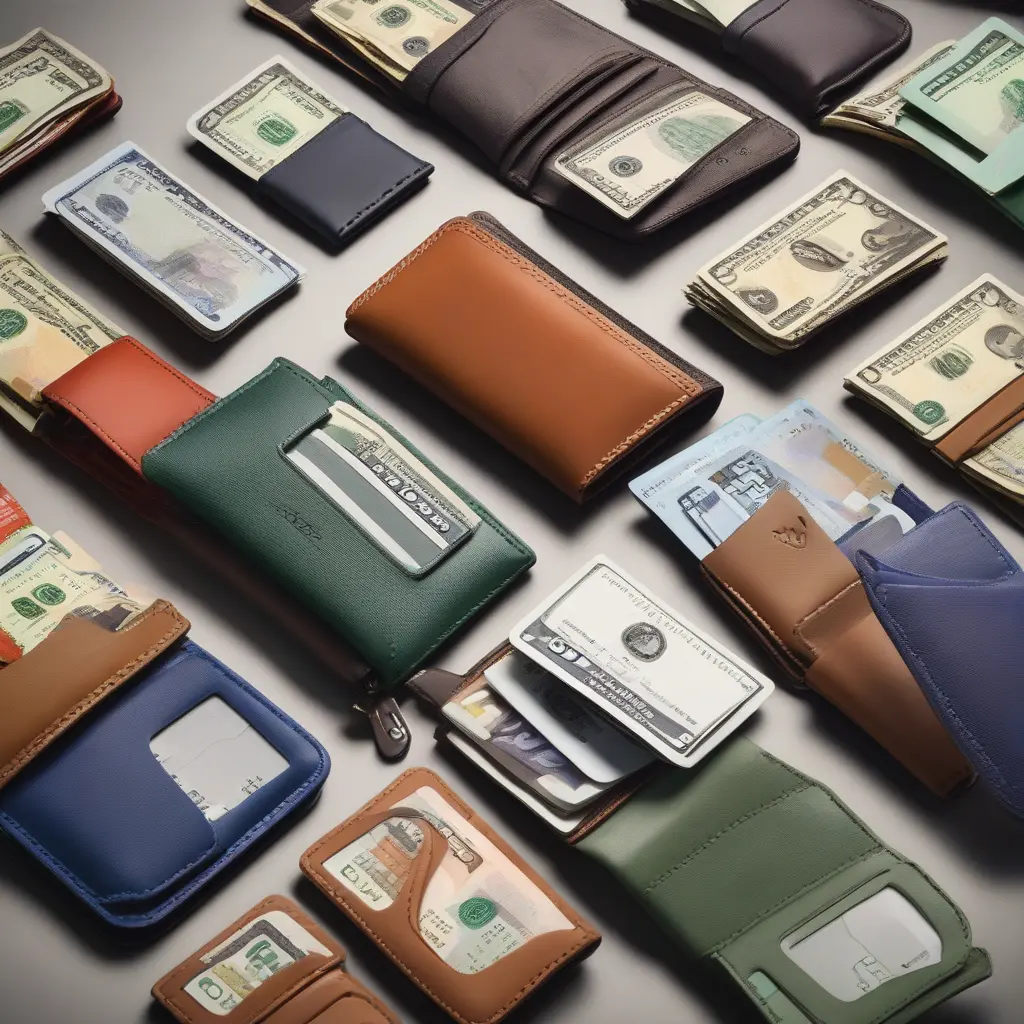
Wallets come in various types, each designed for specific needs and preferences. Traditional wallets typically feature compartments for cash, coins, and cards. Digital wallets, on the other hand, allow for cashless transactions stored on smartphones. Hybrid wallets offer a combination of both. Identifying which type best aligns with your spending habits will make it easier to efficiently manage your finances.
Assessing Your Spending Habits
Before selecting a wallet, assess your spending habits to identify what features are most valuable to you. Do you frequently use cash, or do you rely on credit and debit cards? If you often find yourself carrying a mix of both, a wallet with ample card slots and a compartment for cash may be ideal. Understanding how you manage your money will simplify the wallet selection process.
Choosing Between Cash and Digital Wallets
One of the primary decisions involves choosing between cash or digital wallets. If you often make purchases at local markets or prefer tangible money management, a traditional wallet may suit you. Conversely, if you embrace technology and often pay via mobile apps, a digital wallet could enhance your convenience. Your daily routines will dictate which wallet type will serve you best.
Consider Your Budgeting Style
Your approach to budgeting also plays a crucial role in wallet selection. If you prefer to allocate specific amounts for different categories, a wallet with multiple sections can help. Alternatively, if you practice a more fluid budgeting method, a simpler design with fewer compartments may suffice. The right wallet can reinforce your budgeting methods, keeping you aligned with your financial goals.
The Importance of Security Features
In an age where financial security is paramount, it’s essential to consider a wallet with robust security features. RFID-blocking technology is particularly valuable for protecting card information against digital theft. Additionally, features such as zippers or snaps can help secure your cash and documents. Evaluating the security features of a wallet will enhance your financial safety.
Material Durability and Aesthetics
The material of your wallet often dictates its durability and aesthetic appeal. Leather wallets offer a classic look but may require care to maintain. Synthetic materials provide affordability and come in various designs. Selecting a wallet that balances durability with style will keep you satisfied over time. A wallet that visually pleases you may also encourage better financial management.
Assessing the Size and Portability
Size and portability are significant considerations when selecting a wallet. If you carry a lot of items daily, opt for a compact design that comfortably fits in your pocket or handbag. However, if you prefer having everything organized and readily accessible, larger wallets may be suitable. Evaluating how often you need to access your wallet can guide you in choosing the right size.
Examining the Features that Matter
Various additional features can enhance your wallet experience. For instance, wallets with built-in trackers can help you locate them if misplaced. Certain wallets even include slots for storing essential documents like IDs or insurance cards, which can be highly useful. Consider what additional features align with your lifestyle and financial habits, as they can significantly boost your wallet’s functionality.
Personal Recommendations and Popular Options
While personal preferences can vary greatly, some wallets consistently gain popularity. Brands that merge functionality with style—such as minimalist wallets for tech-savvy users or travel wallets for frequent travelers—are often recommended. Researching top-rated wallets can provide insights into options that have worked for others with similar financial habits, helping you make an informed choice.
Conclusion
In conclusion, selecting the right wallet hinges on an understanding of your financial habits and personal preferences. By assessing factors such as type, size, features, and security, you can find a wallet that not only matches your lifestyle but also promotes better financial management. Take the time to choose wisely, as the right wallet can become an essential tool in your journey of financial well-being.