Sunglasses have come a long way from their early beginnings as mere tools for eye protection. Initially developed in ancient civilizations to shield the eyes from sun glare, they have now transformed into vital fashion accessories. This article will delve into the diverse evolution of sunglasses, examining their historical significance, technological advancements, and the impact of cultural trends. As we navigate through time, we will discover how these once-simple items became symbols of style and status, reflecting not just function, but also the aesthetic choices of various eras.
The Early Beginnings of Sunglasses
The origin of sunglasses can be traced back to ancient civilizations. The Inuit people used flattened strips of walrus ivory to prevent snow blindness, while the Romans and Chinese crafted rudimentary versions to protect their eyes from the sun. These early sunglasses were primarily functional, designed to reduce glare and prevent eye damage from harsh sunlight. Only later did the notion of sunglasses as a fashionable item begin to take shape, influenced heavily by social and cultural changes.
The Rise of Sunglasses in the 20th Century
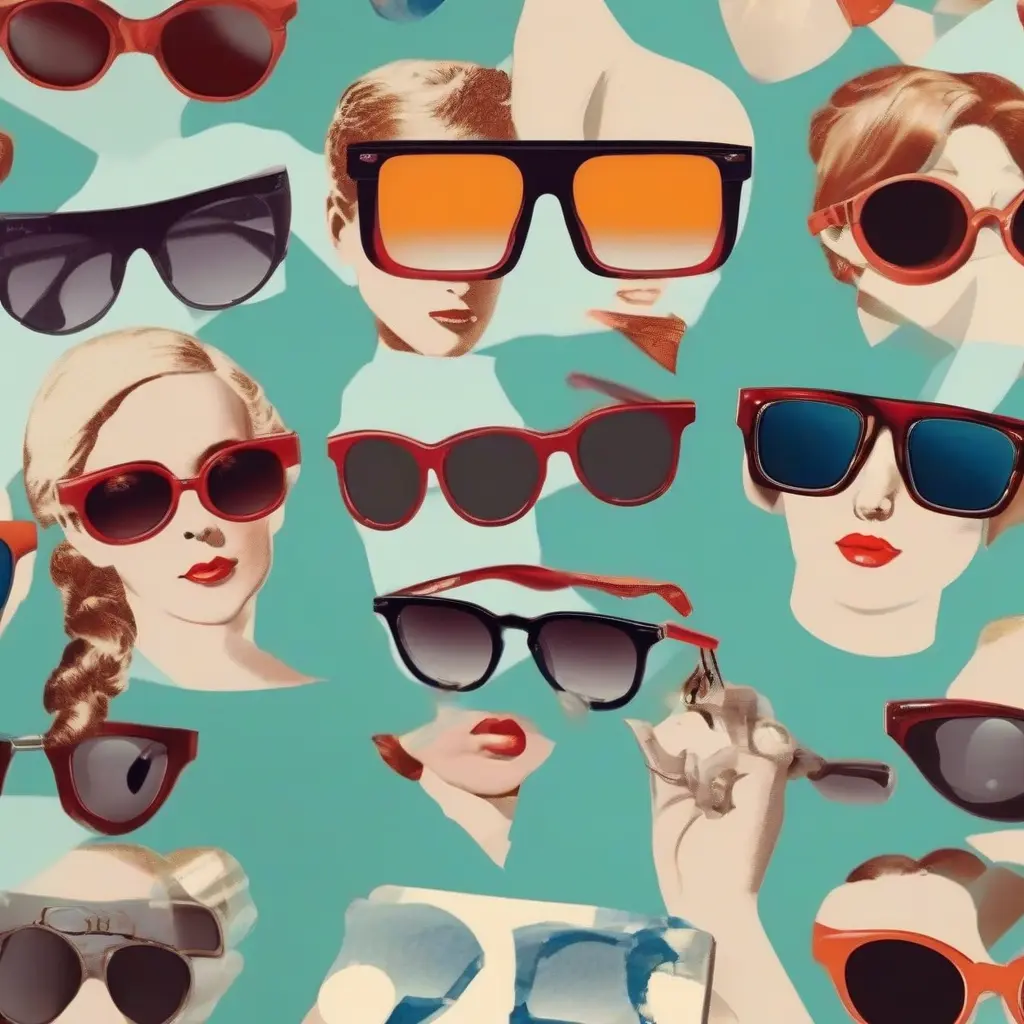
The 20th century marked a pivotal point in the evolution of sunglasses. As Hollywood stars donned oversized sunglasses on the red carpet, the perception of these accessories began to change dramatically. With the introduction of tinted lenses and innovative designs, sunglasses shifted from being mere functional items to must-have fashion statements. Iconic figures like Audrey Hepburn and James Dean helped solidify this trend, elevating sunglasses into a cultural phenomenon and inspiring future generations.
Technological Innovations in Sunglasses
As sunglasses gained popularity, technological innovations began to enhance their functionality. The introduction of polarized lenses in the 1930s provided additional protection against glare, benefiting outdoor enthusiasts and drivers alike. Later advancements, like UV protection and anti-fog coatings, made wearing sunglasses safer and more comfortable. These innovations ensured sunglasses could effectively meet various consumer needs while also maintaining their stylish appeal, bridging the gap between fashion and function.
Sunglasses as a Symbol of Status
In addition to their functional benefits, sunglasses have evolved into symbols of status and affluence. High-end fashion brands introduced exclusive collections and limited editions, catering to consumers’ desires for luxury and uniqueness. Celebrities were often seen wearing designer sunglasses, further amplifying their status as accessories that denote wealth and sophistication. This trend has influenced mainstream consumer culture, as individuals aspire to own sunglasses that reflect their social standing.
The Connection Between Sunglasses and Pop Culture
Sunglasses have had a profound impact on pop culture, often associated with various subcultures and movements. From the rebellious punk rock scene of the late 20th century to the modern-day hipsters, different styles of sunglasses have represented individuality and nonconformity. Music festivals and fashion weeks have further popularized unique designs, allowing sunglasses to become pivotal elements of self-expression. This connection underscores how sunglasses transcend mere utility, acting as powerful visual symbols of cultural identity.
Sustainability Trends in Sunglasses
With increasing awareness of environmental issues, sustainability has become a focal point in the sunglasses industry. Many brands are exploring eco-friendly materials, such as recycled plastics and biodegradable options, to reduce their carbon footprint. Consumers today are more inclined to support brands that prioritize sustainable practices, creating a demand for ethically-made sunglasses. This shift not only reflects changing consumer values but also encourages the entire industry to adapt toward more sustainable production methods.
The Future of Sunglasses
As we look to the future, sunglasses continue to evolve in response to emerging trends and technological advancements. Innovations such as smart glasses, which integrate technology like augmented reality, are set to reshape the market. The blending of fashion and technology not only presents new design possibilities but also redefines how we interact with the world around us. As styles change and consumer preferences shift, it will be interesting to see how sunglasses adapt, remaining both functional and fashionable.
Conclusion
The journey of sunglasses from simple protective eyewear to iconic fashion statements showcases their profound impact on culture and style. As technology advances and consumer preferences evolve, sunglasses will likely continue to adapt, balancing functionality with aesthetics. This evolution not only reflects changing tastes but also highlights the deeper social meanings these accessories embody. Ultimately, sunglasses remain a staple in both fashion and eye protection, signifying more profound human desires for both safety and self-expression.