The evolution of wallets reflects broader changes in society, technology, and consumer behavior. From simple pouches made of animal hides to innovative digital wallets, the forms and functions of wallets mirror advancements in financial transactions and personal safety. This article dives into the journey of wallets, exploring their various types, features, and the technology that continues to shape their evolution. Understanding this evolution not only highlights historical fashion trends but also underlines the growing importance of convenience and security in our daily lives.
The Origins of Traditional Wallets
Wallets date back thousands of years, originating from simple pouches used by early human societies for carrying coins, tokens, or personal items. These pouches were often made from natural materials, such as leather or woven fabrics, emphasizing practicality over aesthetics. The introduction of billfold designs in the late 19th century marked a significant evolution, accommodating paper money and offering sections for cards and identification. This shift not only made wallets more functional but also set the stage for the diverse designs that would follow.
The Rise of Leather Wallets
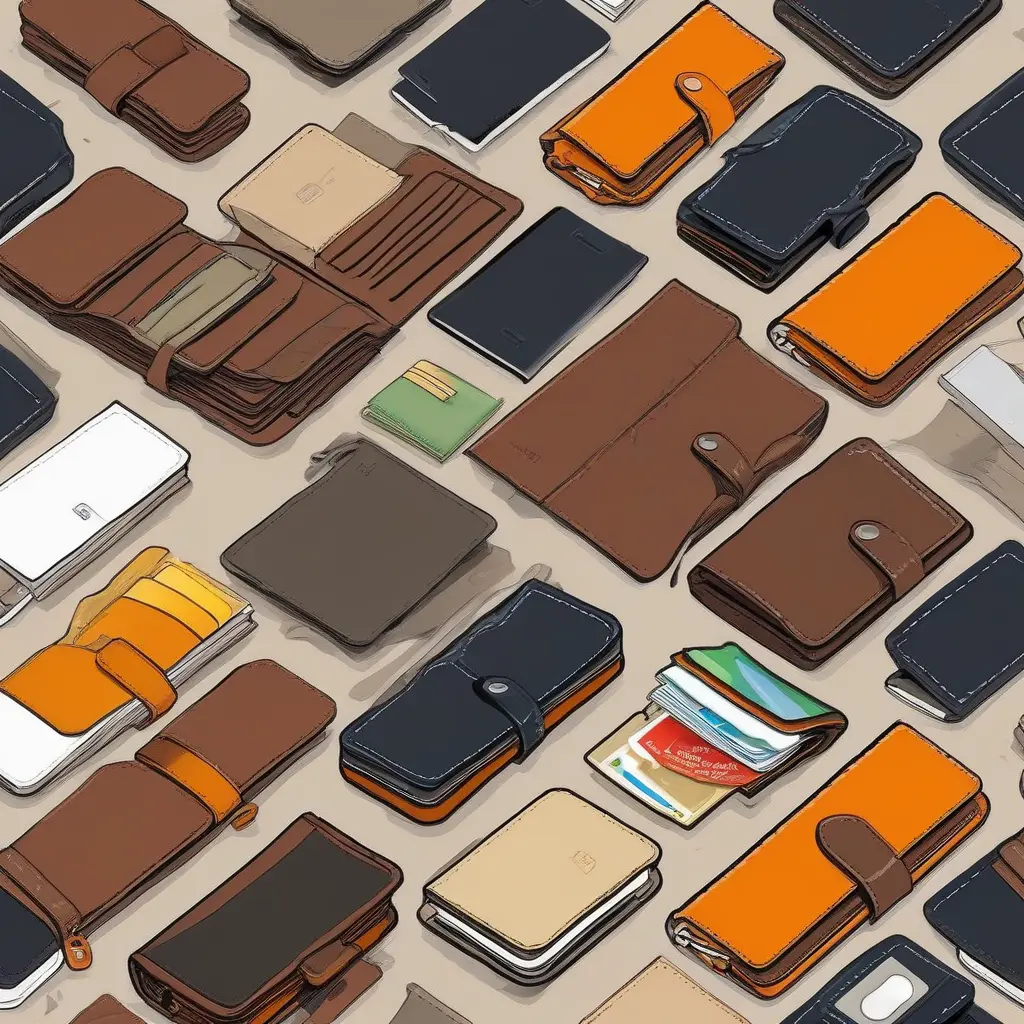
Leather became the material of choice for wallets, known for its durability and classic appeal. The craftsmanship involved in leather production also allowed for personalization and branding, making these wallets status symbols among consumers. Various styles emerged, including bi-folds, tri-folds, and money clips, catering to different preferences and lifestyles. Leather wallets often feature compartments for cards, cash, and coins, showcasing a blend of elegance and functionality that appeals to a wide range of customers.
The Advent of RFID Protection
As technology advanced, so too did concerns about security, particularly regarding credit card fraud and identity theft. This led to the introduction of RFID-blocking wallets designed to protect sensitive information stored in contactless cards. These specialized wallets incorporate materials that disrupt RFID signals, thus preventing unauthorized access. The popularity of RFID protection highlights the growing awareness of security in personal finance, catering to consumers’ desire for both style and safety.
Transitioning to Smart Wallets
Smart wallets emerged in response to the digital revolution, integrating technology for enhanced functionality. Equipped with Bluetooth connectivity, these wallets can link to smartphones, enabling features such as tracking or alerts when left behind. Some even include built-in power banks for charging devices on the go. This blend of traditional wallet aesthetics and modern technology caters to tech-savvy consumers seeking greater utility in their everyday carry items. As smart wallets continue to evolve, they symbolize a new wave of convenience and connectivity.
The Growth of Digital Wallets
Digital wallets represent a significant shift in how financial transactions are conducted, allowing users to store payment information on their devices. These wallets, like Apple Pay and Google Wallet, enable contactless payments through smartphones or smartwatches, eliminating the need for physical cards. With an emphasis on speed and efficiency, digital wallets facilitate transactions both in-store and online, catering to an increasingly mobile lifestyle. This transition underscores the need for convenience and accessibility in financial dealings.
Cryptocurrency Wallets and Their Impact
As the popularity of cryptocurrencies has surged, specialized wallets for storing digital currencies have gained prominence. Cryptocurrency wallets range from hardware devices to mobile applications, providing users with secure means to manage their investments. These wallets require robust security measures, such as two-factor authentication and encryption, to safeguard against hacking attempts. The rise of cryptocurrency wallets highlights a new dimension in the evolution of wallets, reflecting broader economic shifts towards decentralization and digital assets.
Sustainable Wallet Options
In recent years, there has been a growing awareness of sustainability, prompting the creation of eco-friendly wallets made from recycled or organic materials. Brands are increasingly focusing on ethical production practices, appealing to environmentally conscious consumers. These sustainable wallets not only contribute to reducing waste but also often feature innovative designs that rival traditional models in style and functionality. This shift points towards a future where consumer choice is significantly influenced by values related to sustainability and social responsibility.
The Role of Fashion and Personal Style
Fashion trends have always influenced wallet designs, showcasing materials, colors, and styles that reflect contemporary tastes. As consumers seek wallets that match their personal style, brands are responding by offering a wide variety of options, from minimalist to luxury designs. Collaborations between designers and wallet manufacturers further blur the lines between functionality and style. This aesthetic evolution highlights the importance of personal expression in accessorizing, as wallets become an extension of one’s identity.
Future Trends in Wallet Technology
Looking ahead, wallet technology is poised for further innovation, driven by advancements in artificial intelligence and augmented reality. Future wallets may offer features like biometric authentication or integrated digital identity verification, enhancing both security and user experience. As consumer expectations evolve, the focus will likely remain on convenience, aesthetics, and security, leading to new integrations and functionalities. The future of wallets promises to be as dynamic and diverse as the consumers who use them.
Conclusion
The evolution of wallets from traditional designs to technological innovations signifies a broader transformation in how we manage personal finance and carry value. This journey emphasizes the interplay between utility and style, reflecting changing consumer demands. As wallets continue to adapt, they will embody an ongoing quest for convenience, security, and personal expression, ensuring their relevance in our fast-paced, digital world.