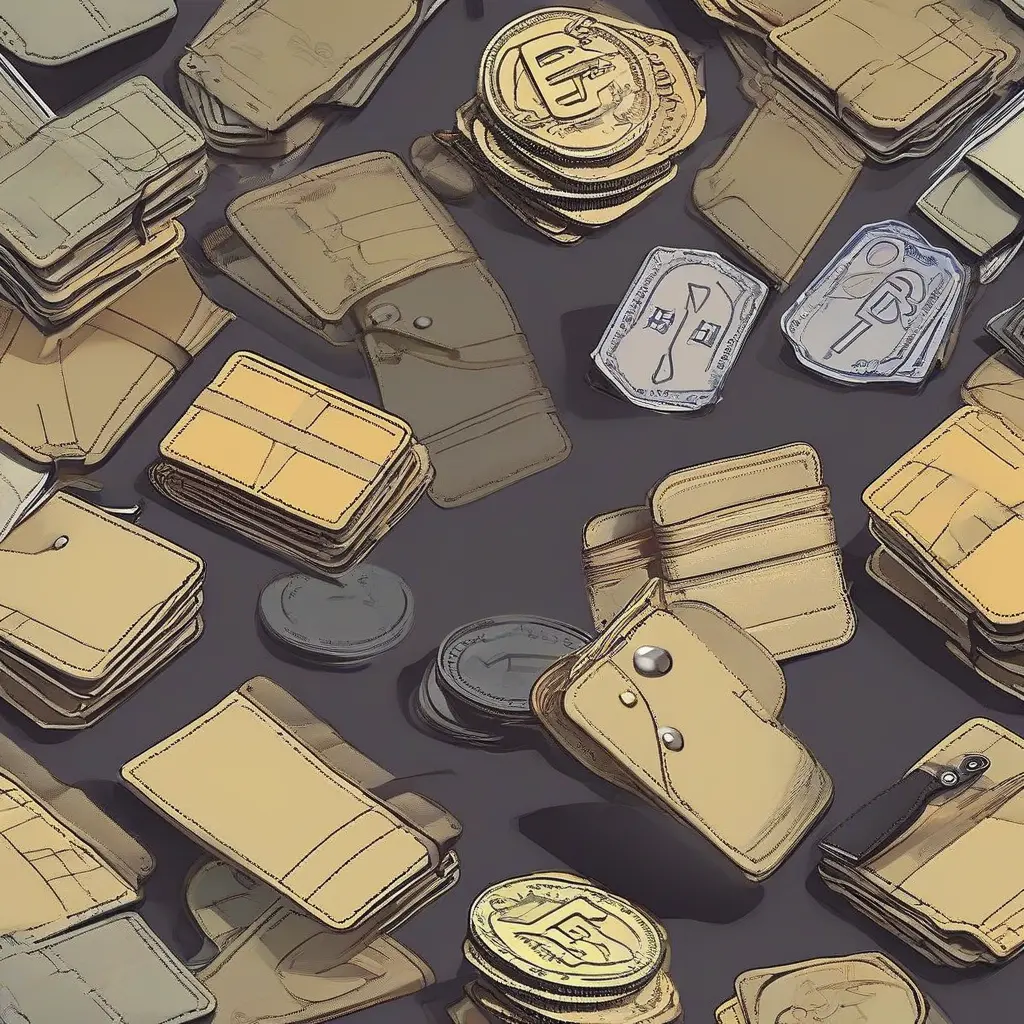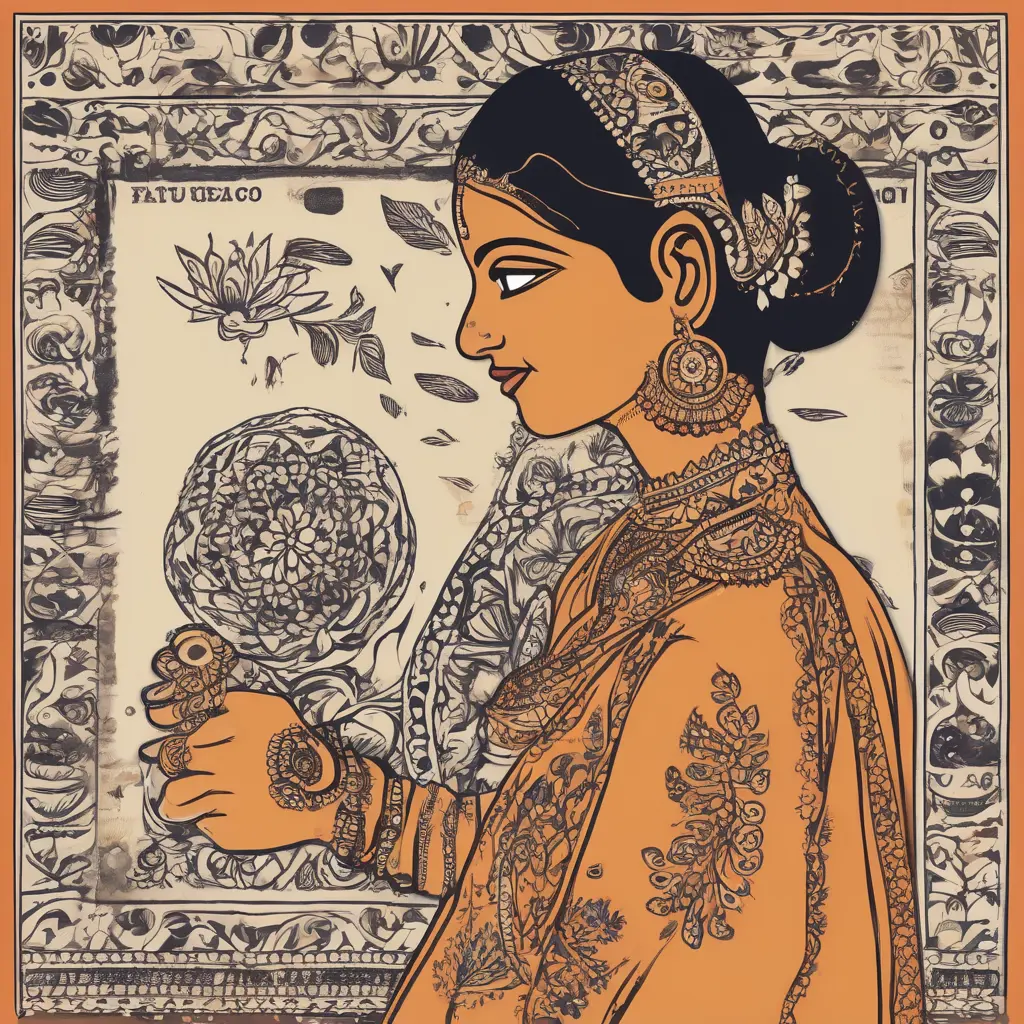
In India, wallet design is significantly influenced by the country’s rich cultural tapestry. From traditional craftsmanship to contemporary preferences, various cultural elements dictate the aesthetics, materials, and functionality of wallets. As consumers seek to express their identity, wallets have become more than mere accessories; they embody cultural meanings and practical needs. This article delves into the various cultural influences that shape wallet design in India, emphasizing the interplay between tradition and modernity.
The Role of Traditional Crafts
Traditional crafts play a pivotal role in the design of wallets in India. Many artisans utilize age-old techniques, such as hand weaving and leather work, to create unique pieces that reflect regional heritage. For instance, wallets adorned with intricate embroidery from Rajasthan or block print designs from Gujarat often carry a story of their origin, appealing to consumers who value craftsmanship. The revival of these traditional crafts not only preserves cultural heritage but also enhances the appeal of wallets in a global marketplace.
Regional Variations in Wallet Design
India’s vast geography contributes to regional variations in wallet design, with each area showcasing its distinct culture. For instance, wallets from the North may feature bold colors and heavier materials, while Southern designs often emphasize minimalism and lightness. This diversity reflects the local lifestyle, with specific styles catering to various customer preferences, occasions, and needs. Regional authenticity in wallet design allows individuals to express their identity through everyday accessories, reinforcing the connection to their heritage.
Influence of Modern Lifestyle
As urbanization increases, modern lifestyle influences are reshaping wallet designs in India. Young consumers seek functionality, often favoring minimalist styles equipped with smart features like RFID blocking. As technology integrates with daily life, wallets are evolving to accommodate digital payments and card slots, bridging the gap between tradition and contemporary needs. This trend emphasizes practicality without sacrificing style, prompting manufacturers to innovate while remaining respectful of cultural aesthetics.
Cultural Symbolism in Wallet Materials
Materials used in wallets often carry cultural symbolism, affecting their design and consumer appeal. Leather is traditionally favored for its durability and luxurious feel, but there’s a growing trend towards sustainable materials that evoke cultural significance. For example, wallets crafted from cotton or jute resonate with environmentally conscious consumers, reflecting a cultural shift towards sustainability. The choice of material can convey personal values, making the wallet a statement piece that aligns with ethical considerations while honoring cultural roots.
Gendered Perspectives on Wallet Design
Cultural influences also shape gendered perspectives on wallet design in India. Men’s wallets tend to prioritize functionality and rugged designs, while women’s wallets often embrace stylistic embellishments and vibrant colors. This differentiation reflects societal norms and expectations regarding masculinity and femininity. However, the lines are blurring, with more unisex designs emerging that offer a blend of practicality and aesthetic appeal, accommodating a wider range of lifestyles while reflecting evolving gender roles.
The Impact of Globalization
Globalization has introduced a mix of international trends into Indian wallet design, affecting local aesthetic choices. Western styles often dominate fashion discussions, prompting Indian designers to incorporate global elements while retaining indigenous characteristics. This hybridization allows for innovative designs that attract a broader audience without losing cultural identity. The interplay of global and local influences creates a rich tapestry of wallet designs that resonate with modern consumers in India.
Popular Wallet Styles in India
Various popular wallet styles cater to diverse consumer preferences in India. Bi-fold and tri-fold wallets remain classic choices for their simplicity, while trendy clutch wallets attract younger buyers looking for style and functionality. Additionally, cardholders and mobile wallets are gaining popularity as people embrace digital transactions. Each style reflects cultural influences, whether through traditional motifs or contemporary designs. Understanding these preferences can help brands tailor their offerings to meet the needs of a culturally diverse market.
Cultural Events and Wallet Design Trends
Cultural events and festivals significantly influence wallet design trends in India. During festivals like Diwali or Eid, there is increased demand for wallets embellished with traditional motifs or vibrant colors. Design trends often emerge during these times, as consumers look for wallet styles that align with celebratory attire or symbolic themes. Such events encourage artists and manufacturers to create limited edition designs that resonate with cultural significance, fostering a sense of community and tradition in wallet choices.
Consumer Behavior and Cultural Identity
Consumer behavior in India is closely linked to cultural identity, impacting wallet design preferences. Many purchasers opt for wallets that express personal or communal identity, often selecting styles that resonate with their cultural background. This connection leads to a demand for wallets that reflect unique traditions and practices, making design choices a form of cultural expression. Understanding this relationship can aid brands in crafting meaningful designs that appeal to the sentiments of Indian consumers.
Conclusion
The impact of cultural influences on wallet design in India is profound, reflecting a blend of tradition and modernity. As consumers increasingly seek to express their cultural identity through everyday items, the wallet evolves into a canvas for cultural storytelling. By adeptly navigating the realms of tradition, regional specificity, and contemporary demands, designers can create wallets that not only serve practical purposes but also resonate deeply with Indian consumers, reinforcing the importance of cultural heritage in a globalized world.