In the realm of horology, understanding watch movements, specifically quartz and automatic, is crucial for making an informed choice. Each movement type offers distinct advantages that cater to varying preferences and lifestyles. In India, where watch culture is evolving and consumers are becoming increasingly discerning, it’s essential to grasp these differences. This article delves into the characteristics, advantages, and typical uses of quartz and automatic movements, helping you decide which type suits your needs best.
What are Quartz Movements?
Quartz movements utilize a battery as their primary power source, making them highly efficient and accurate. These movements rely on the vibration of quartz crystals to regulate the timekeeping process, ensuring precision within seconds. Due to their simplicity and cost-effective production methods, quartz watches are often more affordable than their automatic counterparts. Due to their reliability and low maintenance requirements, they are a popular choice for everyday wear, especially in a fast-paced lifestyle where convenience matters.
Advantages of Quartz Movements
One of the main advantages of quartz movements is their accuracy. These watches can typically maintain time with a variance of only a few seconds per month. Additionally, quartz watches require minimal servicing since they do not have intricate mechanical parts that demand regular maintenance. This makes them particularly appealing for individuals who may not be knowledgeable about watch care. Furthermore, their affordability allows for a broader selection in design and style, making them accessible to a wide range of consumers in India.
Disadvantages of Quartz Movements
Despite their many advantages, quartz movements do have drawbacks. One notable limitation is that they are powered by batteries, which will eventually need replacement. This might require occasional trips to a watchmaker or retailer, potentially disrupting the convenience aspect. Furthermore, quartz watches lack the engaging mechanical feel that some enthusiasts appreciate in automatic timepieces. This can make quartz less appealing to watch aficionados who prioritize the intricacies of mechanical engineering in their timepieces.
What are Automatic Movements?
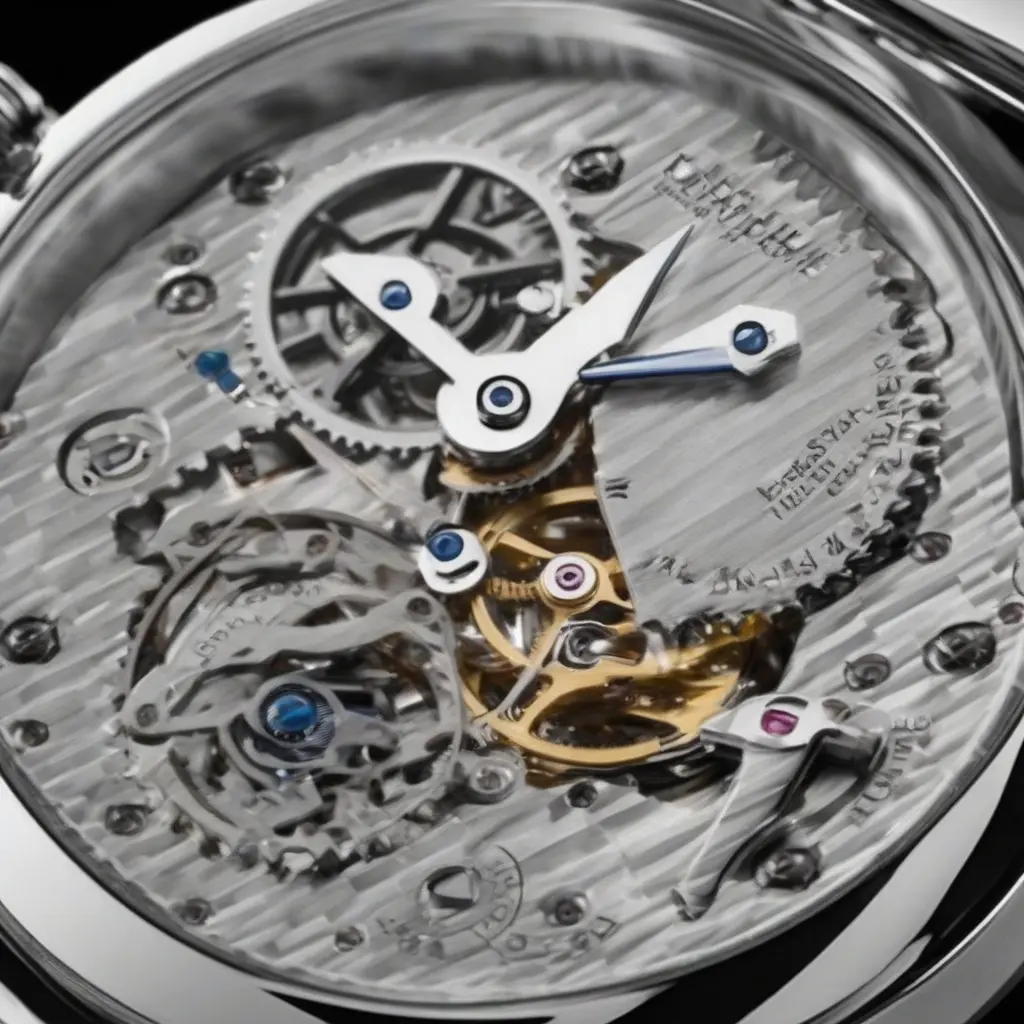
Automatic movements, also known as self-winding watches, harness energy from the natural motion of the wearer’s wrist. These watches feature a rotor that spins as the wearer moves, winding the mainspring without the need for a battery. This movement not only embodies traditional craftsmanship but also offers a unique connection between the wearer and the watch. Enthusiasts often appreciate the mechanical complexity and artistry involved in creating automatic movements, making them a cherished choice among collectors and connoisseurs.
Advantages of Automatic Movements
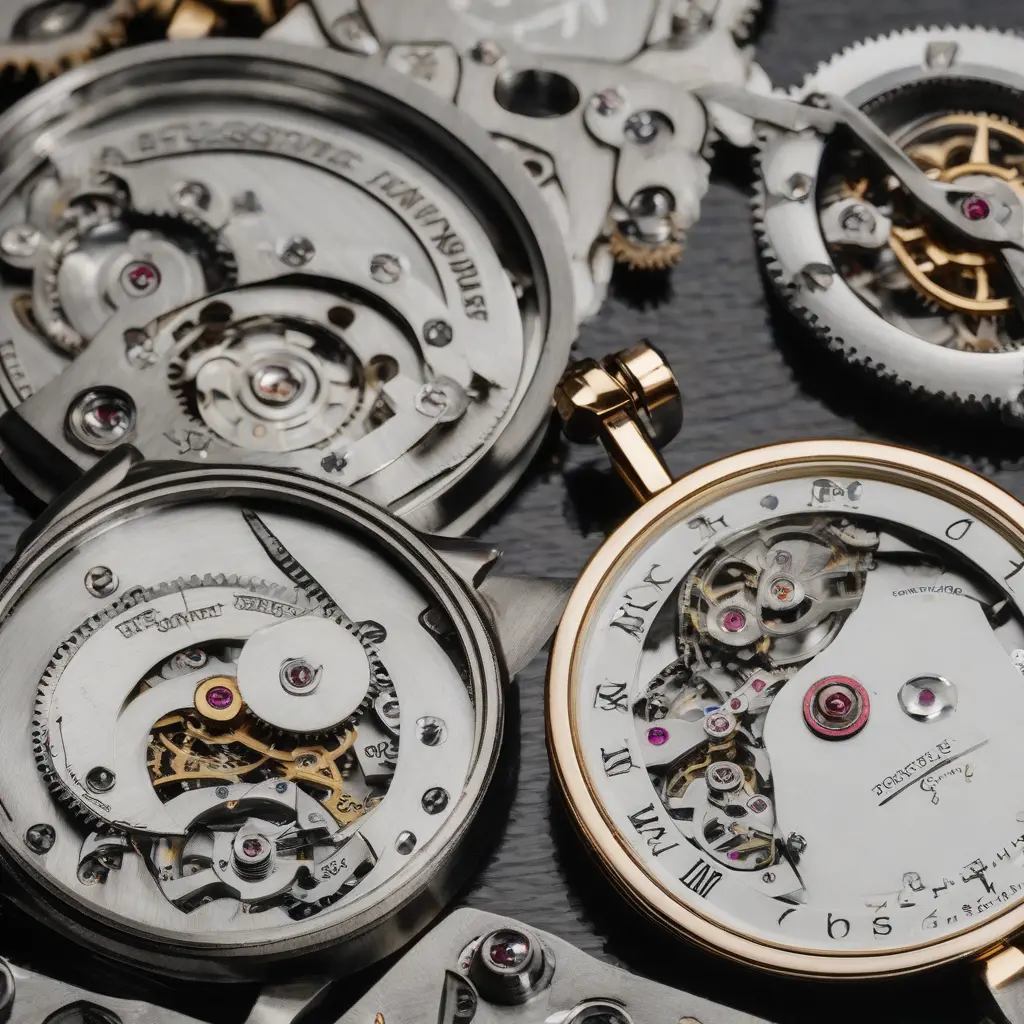
One significant advantage of automatic movements is their connection to traditional watchmaking, showcasing the artistry and precision of mechanical engineering. These watches often have extended lifespans if maintained properly, and the absence of a battery enhances their environmental sustainability. Moreover, many watch enthusiasts appreciate the aesthetic appeal of watching the intricate movements through the transparent case back. This appreciation for craftsmanship adds a layer of emotional connection between the wearer and their watch, elevating it to more than just a time-telling device.
Disadvantages of Automatic Movements
Automatic movements are not without their drawbacks. One of the primary concerns is their need for regular wear or a watch winder to maintain accuracy, as they can lose time if left idle. This makes them less convenient for individuals who rotate between multiple watches. Additionally, automatic timepieces can be more expensive than quartz options due to their intricate components and the level of craftsmanship involved. This can deter budget-conscious consumers who may prioritize function over form when it comes to their wristwear.
Choosing Between Quartz and Automatic
When deciding between quartz and automatic movements, consider your lifestyle, budget, and personal preferences. If you lead a busy life and prioritize low maintenance, a quartz watch may be the ideal choice. Conversely, if you value craftsmanship and enjoy the mechanical intricacies of a watch, an automatic movement might be the better pick. Understanding each movement’s characteristics allows you to make an informed choice that aligns with your needs, ensuring satisfaction with your purchase in the expanding Indian watch market.
The Evolution of Watch Movements in India
India’s watch market has evolved dramatically over recent years, with increasing interest in both quartz and automatic movements. Traditional brands have been joined by many international luxury labels, offering diverse options for consumers. This growth has led to a heightened awareness of different watch movements, prompting buyers to consider not just functionality but also brand heritage and craftsmanship. As consumers become more educated about their choices, the demand for both types of movements continues to influence the landscape of the Indian watch market.
Popular Brands Offering Quartz and Automatic Watches
Several brands effectively represent both quartz and automatic movements in the Indian market. Brands like Titan and Casio have established themselves strongly in the quartz segment, known for their reliability and innovative designs. Meanwhile, brands like Seiko and Swiss luxury brands such as Rolex and Omega excel in the automatic segment, offering timepieces that reflect artistry and heritage. This diversity in offerings ensures that Indian consumers can find a watch that caters to their individual taste and needs, whether they seek reliability or a sophisticated masterpiece.
Final Thoughts on Watch Movements
Understanding watch movements is essential for anyone looking to invest in timepieces, particularly in a diverse market like India. Both quartz and automatic movements have their sets of advantages and disadvantages that cater to different consumer needs. Whether you value precision, convenience, or the artistry of watchmaking, knowing these differences can greatly enhance your watch-buying experience. Ultimately, selecting the right watch movement is about finding what resonates with your lifestyle and personal aesthetic, ensuring you make an informed decision.